Lambskin vs Cowhide vs Goatskin: Three Hides, Three Different Jackets
Lambskin vs Cowhide vs Goatskin: Three Hides, Three Different Jackets
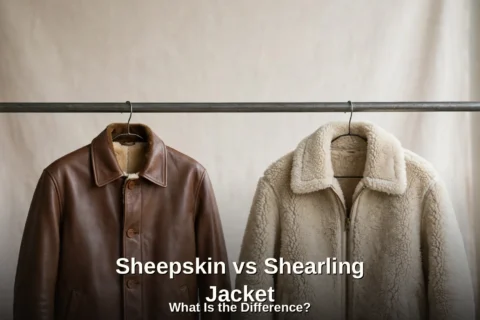
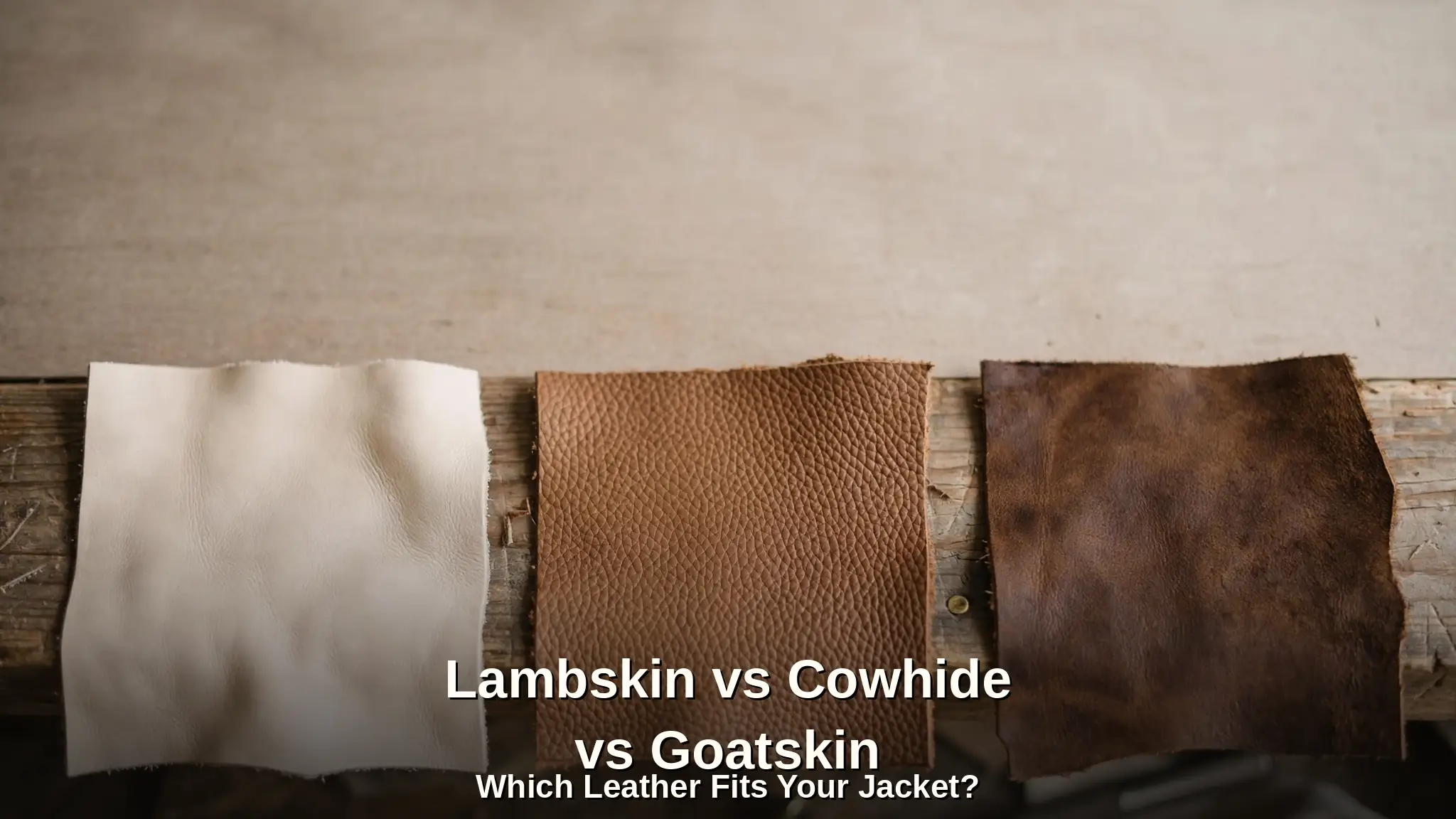
Run one hand across all three hides and the lambskin vs cowhide debate settles fast. One feels like a glove. Another feels like a saddle. The third sits between them with a pebbled grip all its own. Same animal family tree, same jacket rail, three very different days of wear ahead of you.
Shops love to sell the look first. The hide decides the life, though. It sets how the jacket drapes on your shoulders. The surface story comes from it too, every knock, storm, and long ride. Even the smell after five winters in your closet traces back to the hide. This guide puts the full lambskin vs cowhide vs goatskin leather jacket choice on one bench, hide by hide, test by test.
Lambskin is the soft one. It drapes close, feels light, and suits daily wear, office days, and travel. Cowhide is the tough one. It stands stiff at first, shrugs off road wear, and suits riders and hard use. Goatskin is the middle path. It stays light like lamb, wears strong like cow, and flexes from day one. Pick by the life the jacket has to live, not by the shine on the rail.
Short on time? The grid below gives the whole fight in one look. Sections under it give the feel behind each line. Our full guide to leather types covers the wider family, suede and shearling included.
| Trait | Lambskin | Cowhide | Goatskin |
|---|---|---|---|
| Feel on day one | Soft, smooth, glove like | Firm, stiff, structured | Supple with a pebbled grip |
| Jacket weight | Lightest of the three | Heaviest of the three | Light, close to lambskin |
| Strength | Lowest, tears with rough use | Highest, built for abrasion | High for its low weight |
| Grain look | Fine, tight, near smooth | Bold, open, natural marks | Clear pebble pattern |
| Water behavior | Drinks water fast, stains easy | Sheds light rain best of the three | Good natural resistance |
| Care load | Highest, needs gentle handling | Lowest, takes plain routines | Low, natural oils help it |
| Break in | None, soft from the start | Weeks of wear to ease in | Short, days not weeks |
| Price drivers | Small hides, more panels per jacket | Large hides, fewer seams, common supply | Mid, strong yield per hide |

Lambskin: the soft hide with a dress code
Lambskin comes from young sheep, and the youth shows in the skin. The grain sits fine and tight. Under a thumb the surface feels smooth, almost like cloth. A lambskin jacket folds over an arm with no fight at all. It drapes the way a good shirt drapes, close and clean.
That softness is the whole appeal for city wear. The jacket moves with you on a train, in a car, at a desk. It never fights your shoulders. Sharp is the word with dress pants and a plain knit. Plenty of the women’s leather jackets in clean, fitted cuts use lambskin for this exact reason. The hide lets a jacket follow the body line with no bulk.
Now the honest trade. Thin skin tears sooner than thick skin. A lambskin sleeve dragged across rough brick picks up damage a cowhide sleeve shrugs off. Sharp keys in a pocket corner stress it. Heavy daily abuse shortens its good years. Treat it like the fine garment it is and it serves for years. Work gear treatment shows on it fast, every insult on display.
The lambskin leather pros and cons list reads short and clear. Pros: softest hand feel, lightest wear, clean drape, no break in time. Cons: lowest tear strength, stains fast, drinks water, needs gentle care. Our deeper guide asks are lambskin leather jackets good and walks long term owner reports hide by hide.
Cowhide: the workhorse hide
Cowhide comes from grown cattle, and the size of the animal is the whole story. One cow hide is large. A maker cuts big, clean panels from it with few seams. The skin runs thick, often past a full millimeter in jacket weight. That thickness gives cowhide its famous strength.
A new cowhide jacket stands up on its own. The shoulders hold a firm line. Sleeves crease where your arms bend, slow and sure. Give it weeks of wear and the hide learns your shape. The stiffness fades. Fit turns personal, molded at the elbow and chest. Riders trust this hide for a plain reason. In a slide on rough road, thick cowhide buys time that thin hides do not.
Weight rides along with that strength. A cowhide jacket feels like gear, not cloth. Some wearers love the solid hug of it. Others tire of it on long walks and warm days. The cowhide leather jacket pros and cons list splits by lifestyle. Pros: top strength, long life, bold natural grain, low care needs. Cons: heavy on the shoulders, stiff at first, slow to break in, hotter in mild weather.
Most of the classic men’s leather jackets in biker and work cuts start with cowhide. It suits men who wear one jacket hard for a decade. Anyone chasing surface character lands in the same hide. Cowhide scars, darkens, and shines at the rub points. The jacket tells its own story in the grain.
Goatskin: the light hide that punches up
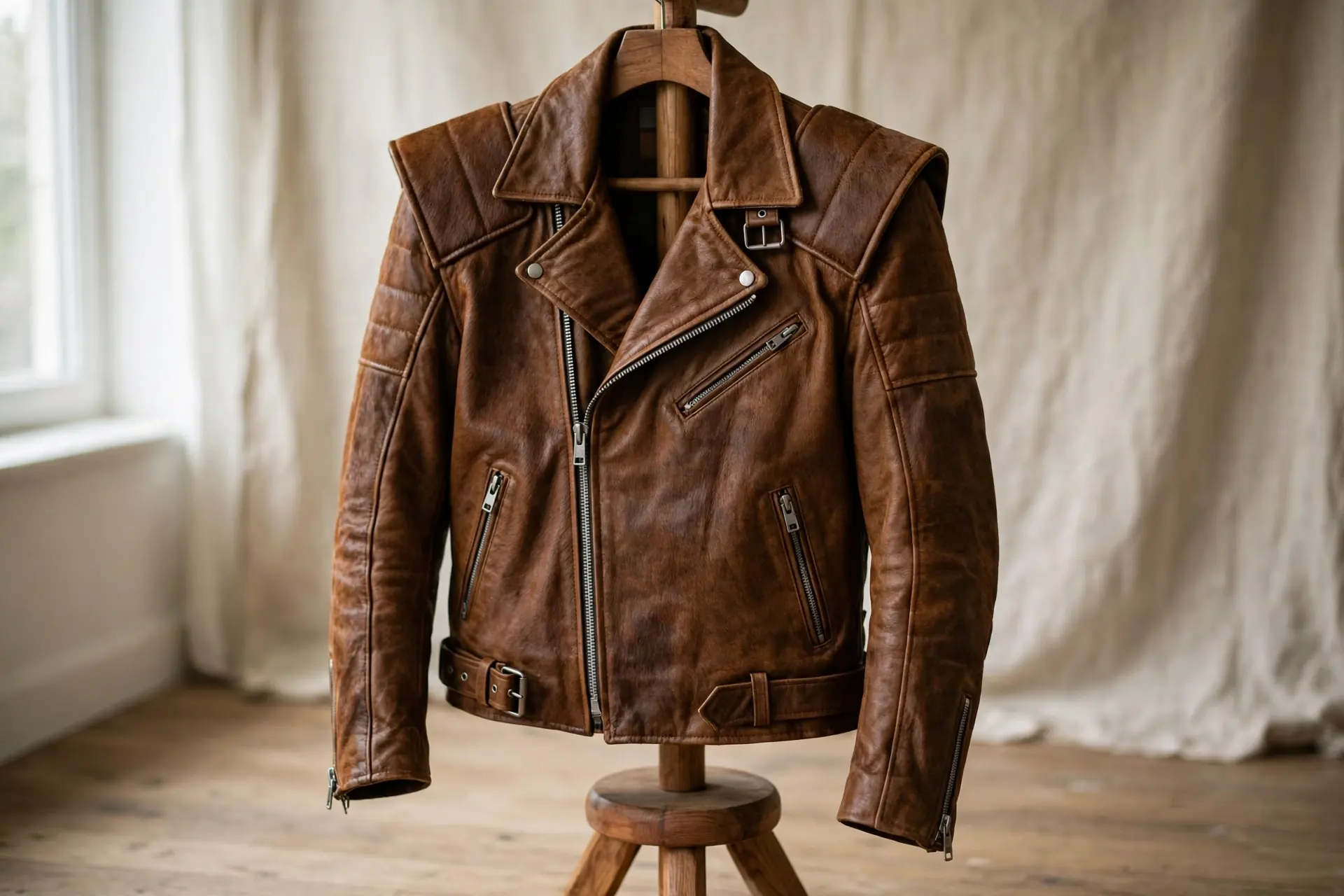
Goatskin hides in plain sight. Plenty of buyers walk right past it, chasing the two famous names. That is a shame. Goat hide carries a clear pebble grain you spot at a glance. The pebbles are not print. They are the true surface of the skin, tight and springy under a thumb.
The surprise is strength per gram. Goatskin runs thin like lambskin yet holds up far closer to cowhide. The fiber weave sits dense and cross hatched. It resists tears and scuffs that would mark lambskin at once. Old flight jackets leaned on goatskin for this reason. Pilots needed light gear that still took hard wear in a cramped cockpit.
Goatskin also brings its own oils to the fight. The hide feels supple from day one and stays that way. It bends at the elbow with no stiffness fight. Rain beads on it better than on lambskin. Dry spells crack it less than they crack cowhide. Goatskin leather jacket durability is the quiet brag of this whole comparison. Owners report decades of wear from a hide that weighs near nothing on the shoulders.
Ask is goatskin better than lambskin and the honest answer splits by day. The goatskin vs lambskin jacket call comes down to use. Both feel light. Flex comes free with each. Goatskin takes the rougher life and shows a bold grain while doing it. Lambskin wins on pure softness and a smoother, dressier face. Pick goat for the daily grind. Lamb takes the polish days.
Strength: where the hides split for good
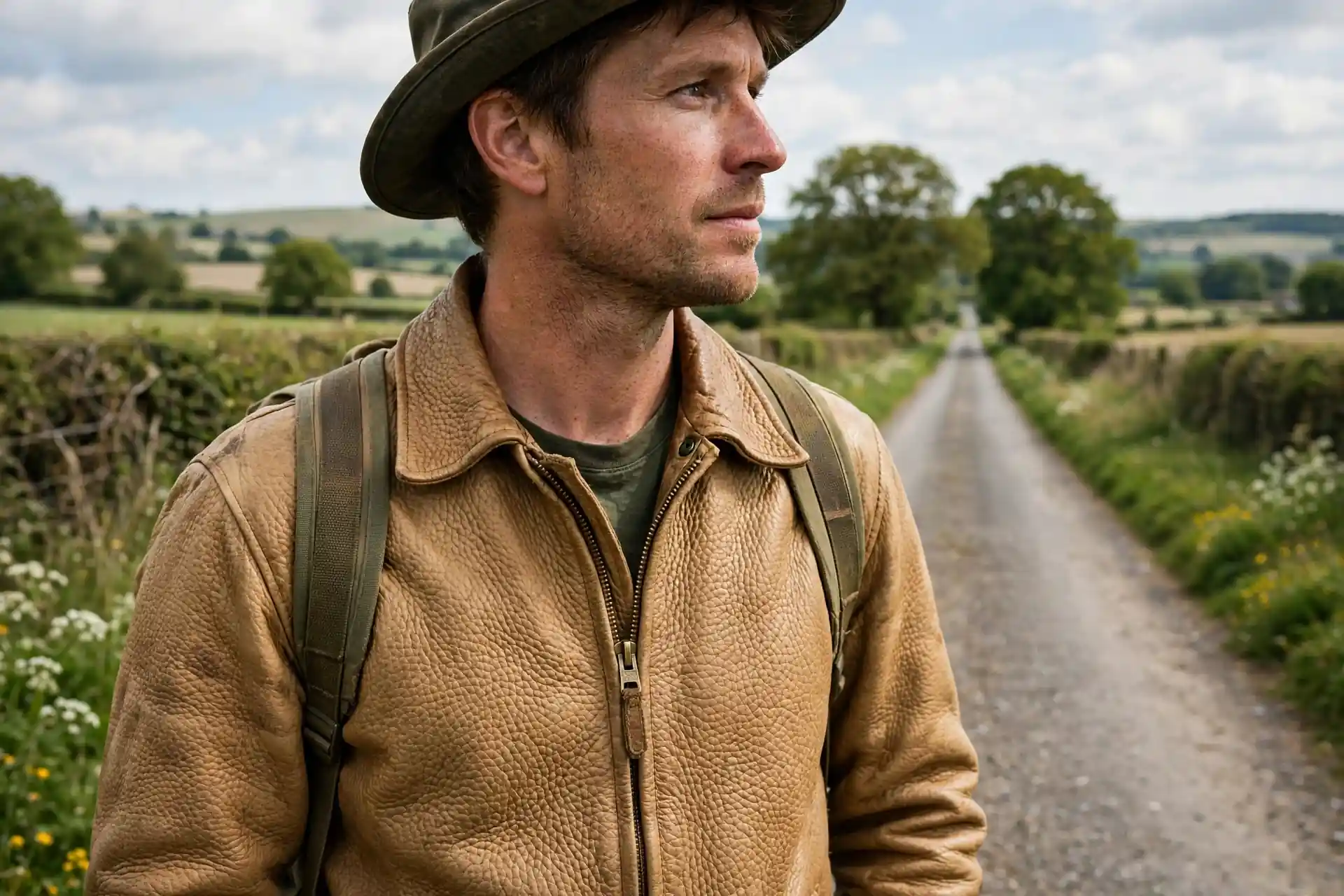
Pull tests tell one story. Life tells the same one louder. Lambskin sits at the soft end of the strength scale. A hard snag on a nail head tears it. Cowhide sits at the top. Thick cow fiber takes dragging, scraping, and years of zipper work at the same spots. Goatskin lands near the top too, shockingly close for a hide half the thickness. The cowhide vs goatskin leather jacket strength gap is far smaller than the weight gap.
Riders feel this split in the bones. The lambskin vs cowhide motorcycle jacket question ends fast on a bike. Lambskin looks the part at a cafe stop. It gives thin cover at speed and in a fall. Cowhide is the classic road hide, the one inside most men’s leather biker jackets built for real miles. Goatskin earns a rider respect too, light on a long haul and tough in a scrape.
So the toughest leather for motorcycle jackets crown stays with cowhide. Thick steer hide in a riding cut is the old, proven answer. Goatskin takes second place and wins on hot days, when a heavy jacket stays home. A jacket left in the closet protects no one. The hide you wear beats the hide you store.
Desk and street wear flip the math. Softness gets used ten hours a day. Abrasion risk stays near zero. Lambskin wins that life by a mile. Strength only matters at the level your days demand. Buy past your real risk and you pay in weight and stiffness for armor you never test.
Weight on your shoulders, warmth on your back
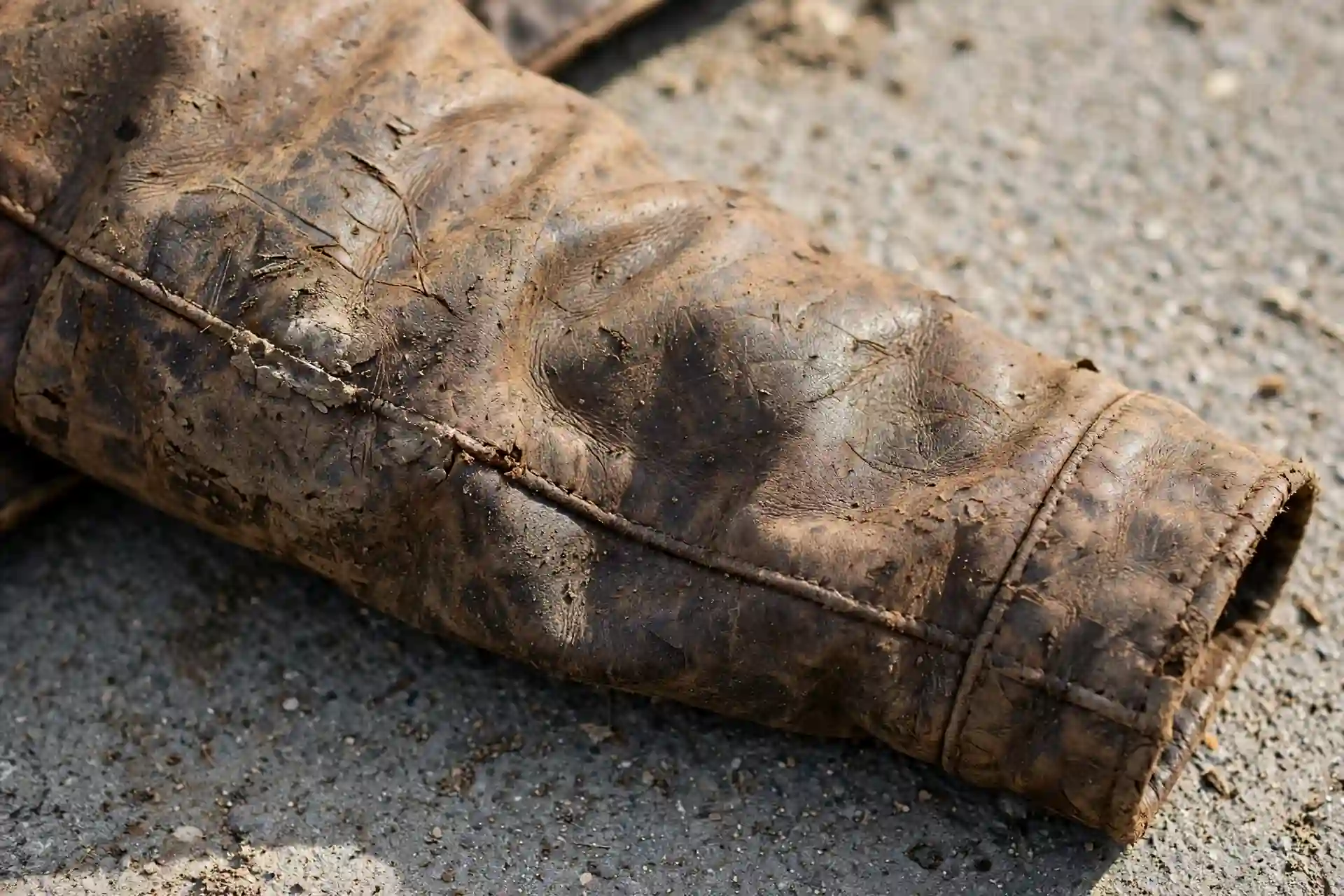
Numbers first. A lambskin jacket in a mid size lands near one kilo, give or take a bit by cut. Goatskin lands close, a touch more at times. Cowhide in the same cut lands near two and a half to three kilos. Your shoulders learn that gap inside one long day. Travelers feel it in an airport line. Commuters feel it on a platform.
The cowhide vs lambskin weight and warmth link runs like this. More hide mass means more wind block. Cowhide turns wind aside best of the three. Lambskin lets a chill bite through sooner on a still, cold night. Goatskin blocks wind well for its weight, a gift of that dense weave. None of the three is a true winter coat on its own, though. Warmth in real cold comes from wool, lining, and layers.
Shearling breaks that rule, and its section waits below. For hard cold in plain hides, read our field notes on a leather jacket for extreme cold before you trust any single layer. Back in mild months, the light hides win again. A lambskin or goatskin jacket rides along on a spring trip with no luggage drama. The cowhide stays home and sulks on its hook.
Rain, spills, and the water test
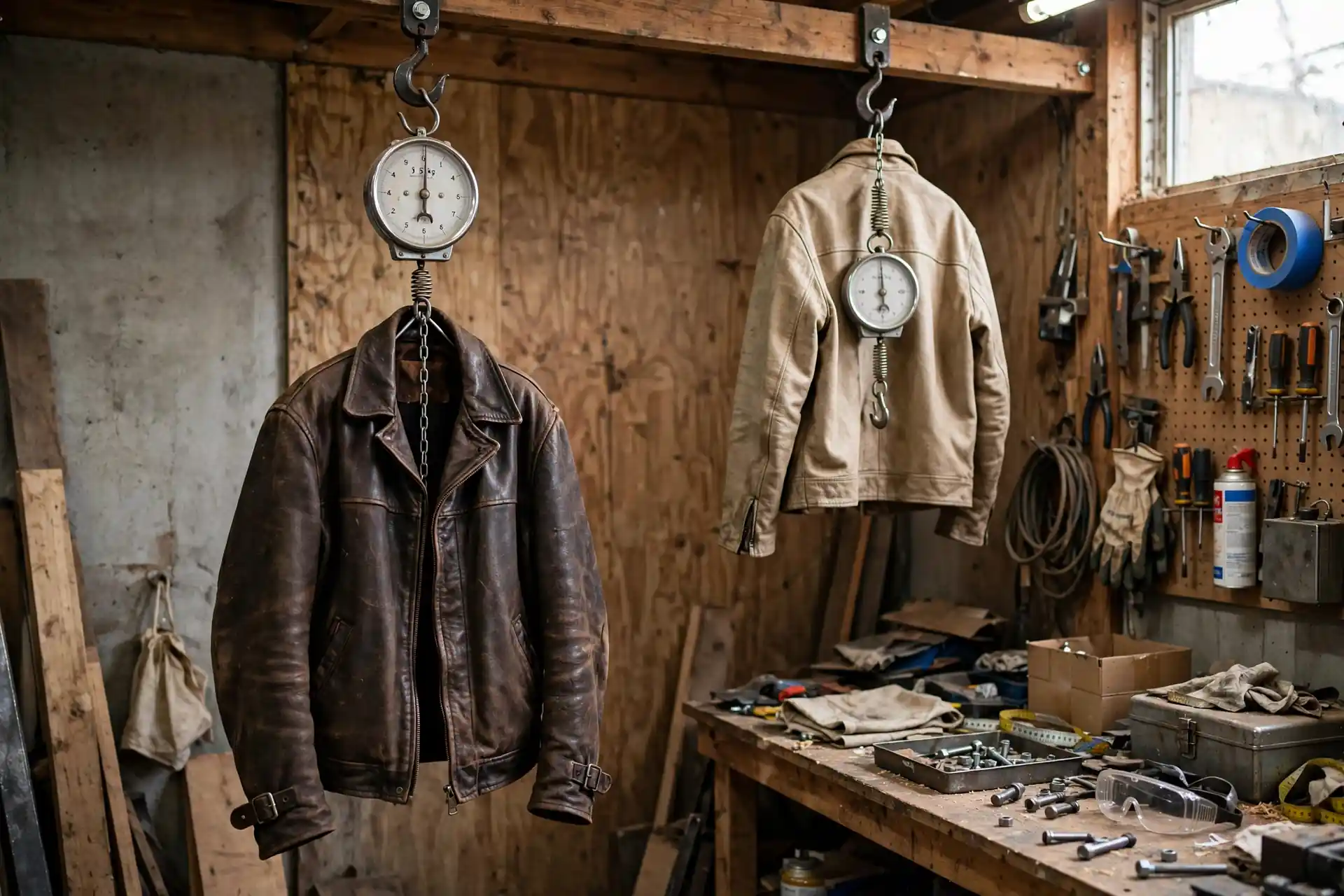
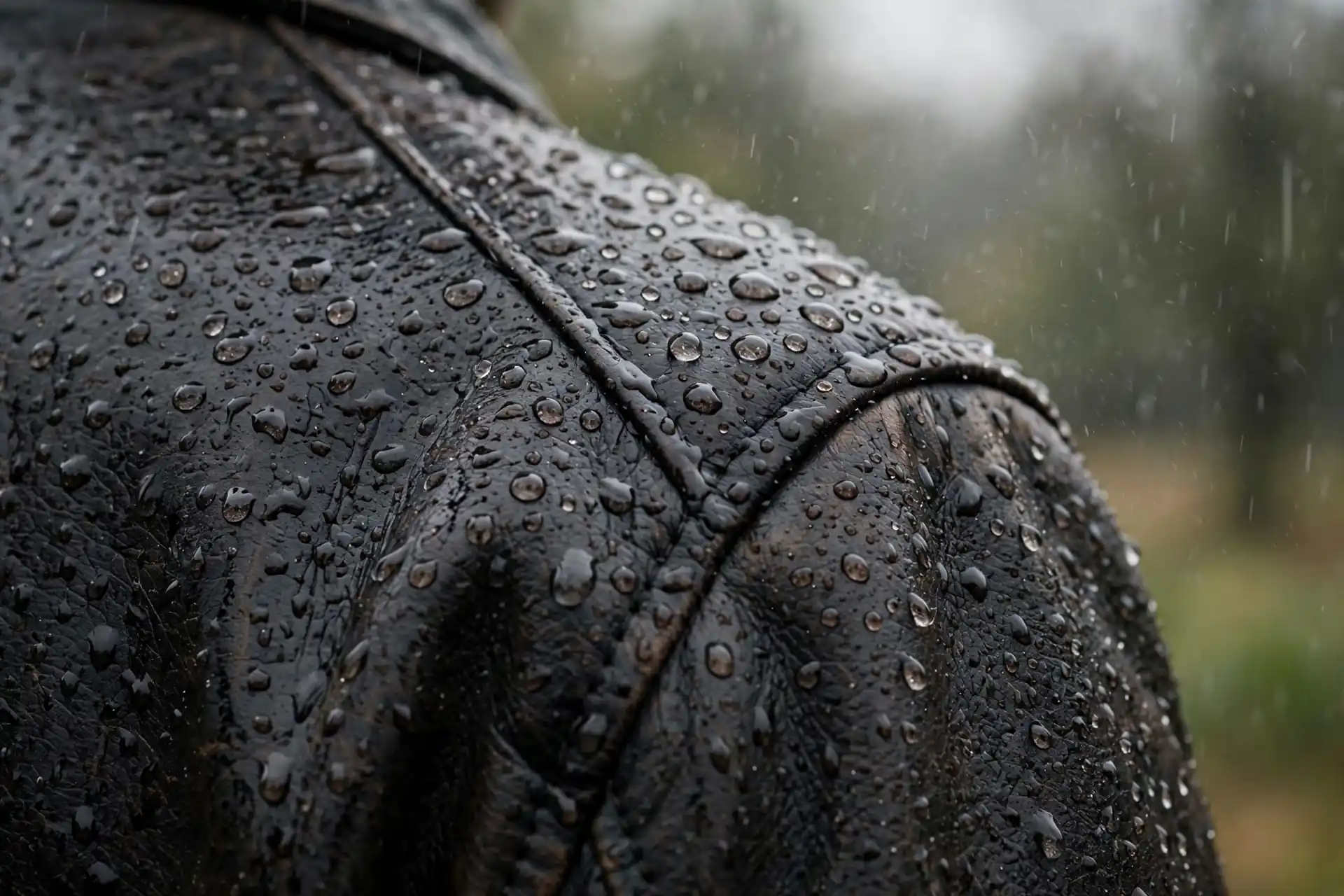
None of these hides is waterproof. Let that land first. All three are skin, and skin drinks. The split is in speed and stain. Lambskin drinks fastest. A rain shower spots it, and the spots dry into marks that linger. Cowhide drinks slowest, thanks to thickness and a tighter finish on most jackets. Light rain beads and brushes off a cowhide shoulder with ease.
Goatskin holds a quiet edge here. Natural oils in the hide slow the soak. The lambskin vs cowhide water resistance ranking, with goat added, reads like this. Goat and cow sit near level at the top. Lamb sits well below. The does goatskin leather crack worry ties in here too. Goatskin cracks less than cowhide in dry heat, since its own oils keep the fibers fed. Starve any hide of care for years and cracks come for all three, goat last.
Caught in a real downpour, the hide matters less than your next hour. Dry the jacket slow, away from heat, then feed it. Our rain guide covers wearing a leather jacket in the rain step by step. On the road, a waxed or treated finish helps any hide shed a shower. The base skin still sets the limit.
Grain, shine, and how each hide ages
Look close and the three faces tell their animals. Lambskin shows a fine, tight grain, near smooth at arm length. It takes dye in rich, even tones. Cowhide shows an open, bold grain with natural marks, scars, and stretch lines from a life outdoors. Goatskin shows a neat pebble, each bump clear and even, like the skin of an orange shrunk small.
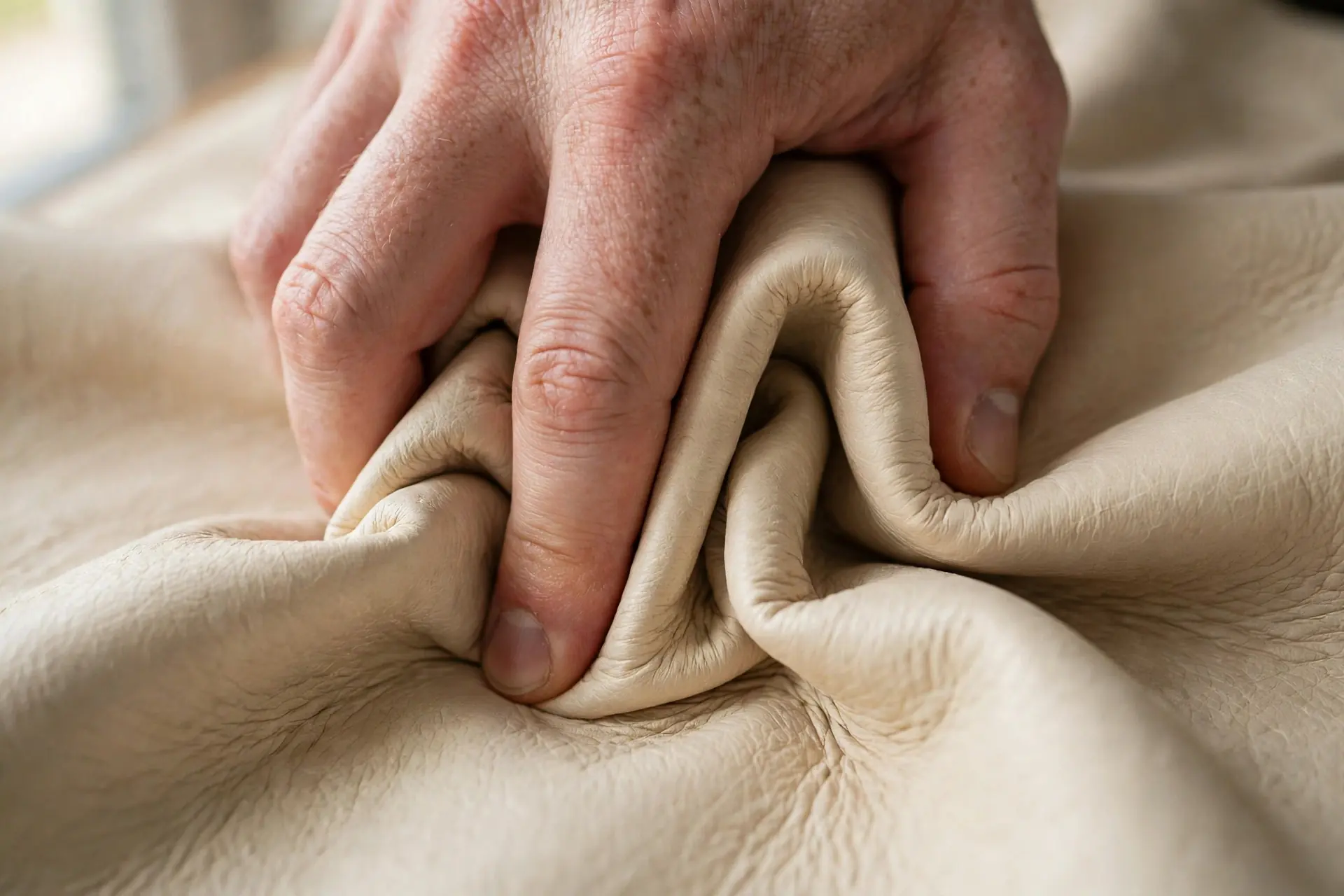
Touch sorts them even faster. Run a thumb and lambskin feels like a soft glove. Goatskin feels springy, with grip. Cowhide feels firm and cool, with real heft behind the thumb. Photos lie about grain all the time. The home checks in our guide to telling if a leather jacket is real work on all three hides.
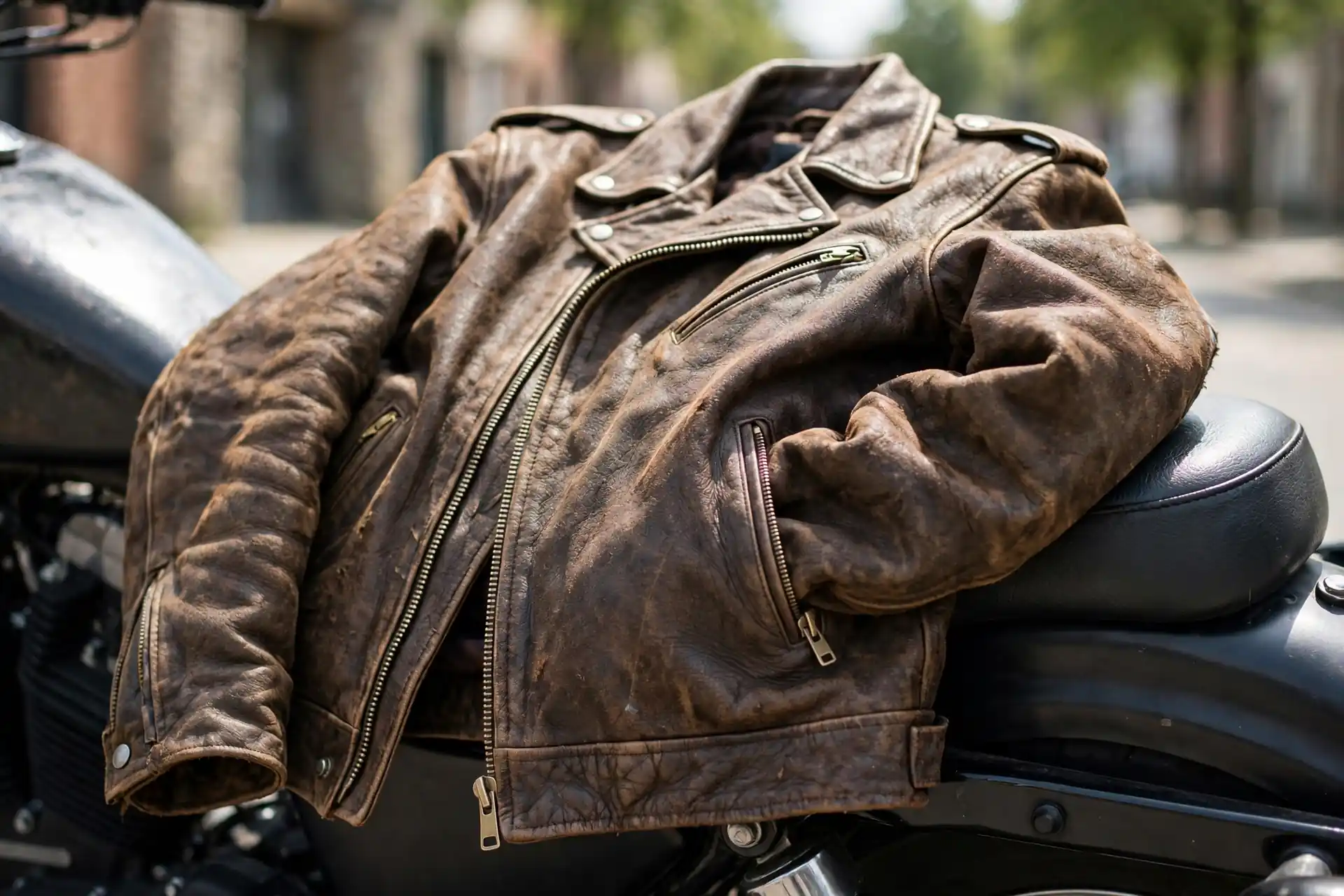
Aging is where owners get loyal. Cowhide ages loudest. It darkens at the grips, shines at the rub points, and builds a patina riders prize. Goatskin ages with grace, softening more while the pebble stays crisp. Lambskin ages quiet and fine when life stays gentle. Rough years show on it first, in scuffs and thin spots at the cuff. Which leather ages best is a taste call. Loud and rugged points to cow. Calm and supple points to goat. Sleek and smooth points to lamb.
Care: what each hide asks of you
All three hides want the same basics. Keep them dry. Long sun is the other enemy. Feed them when the surface looks thirsty. The dose and the fuss split by hide. Lambskin wants a light hand and small, soft cloths. Heavy creams weigh its fine face down. Cowhide takes a fuller feed and forgives a plain routine. Goatskin asks least of all, a wipe and a light feed on a slow schedule.
Our step by step on how to condition a leather jacket gives amounts per hide, lamb included. Storage rules stay shared too. Wide hanger, cool dark closet, room to breathe. The one lambskin extra is padding at fold points. Thin skin creases sharp and holds the line. Goat and cow forgive a fold. Lamb remembers it.
Price: why the same rail holds three price tags
The lambskin vs cowhide price difference puzzles buyers at first look. The softest hide often costs more than the toughest. Size explains it. A lamb hide is small. One jacket eats several hides, and each seam between panels adds bench time. Matching grain and tone across small hides takes skill and waste. The bill shows that work.
A cow hide is huge. One hide covers most of a jacket in wide, clean panels. Supply runs wide and steady, so tanneries price it with calm. Goat hides sit small like lamb, yet goatskin jackets often land mid rail. The hide yields well, takes dye fast, and needs less sorting. Grade moves every price too. A top grade cowhide costs more than a low grade lambskin. Hide name alone never sets the tag.
At Denver Jackets the bench works all three skins in house. Sheep skin, cow, goat, and lamb all pass across the same tables. That setup keeps the hide call honest. The advice follows your wear, not the stock room. Sizes run to 4XL on the rail, and custom jackets in any of the three hides start from your own tape numbers.
Sheepskin: the fourth skin at the table
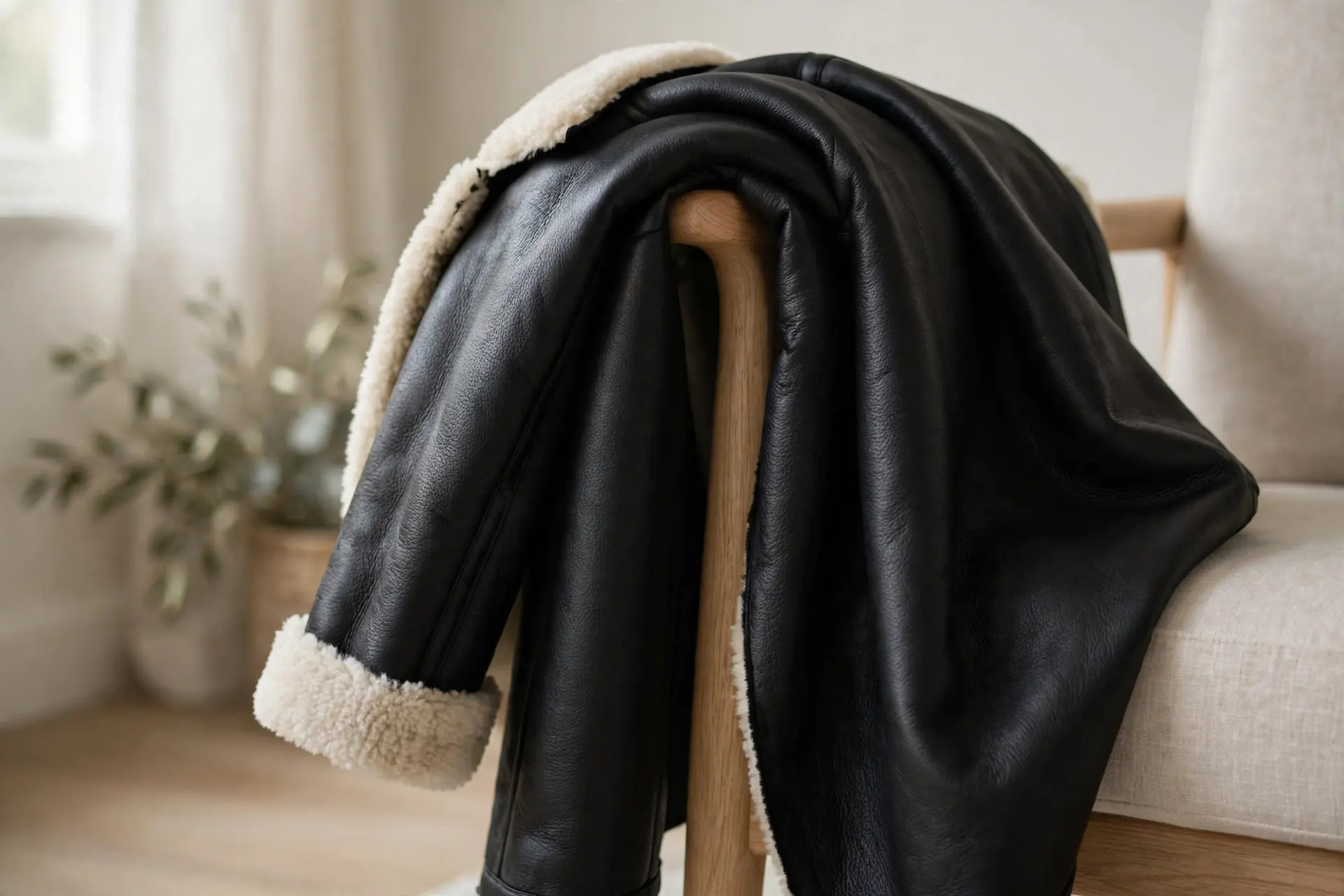
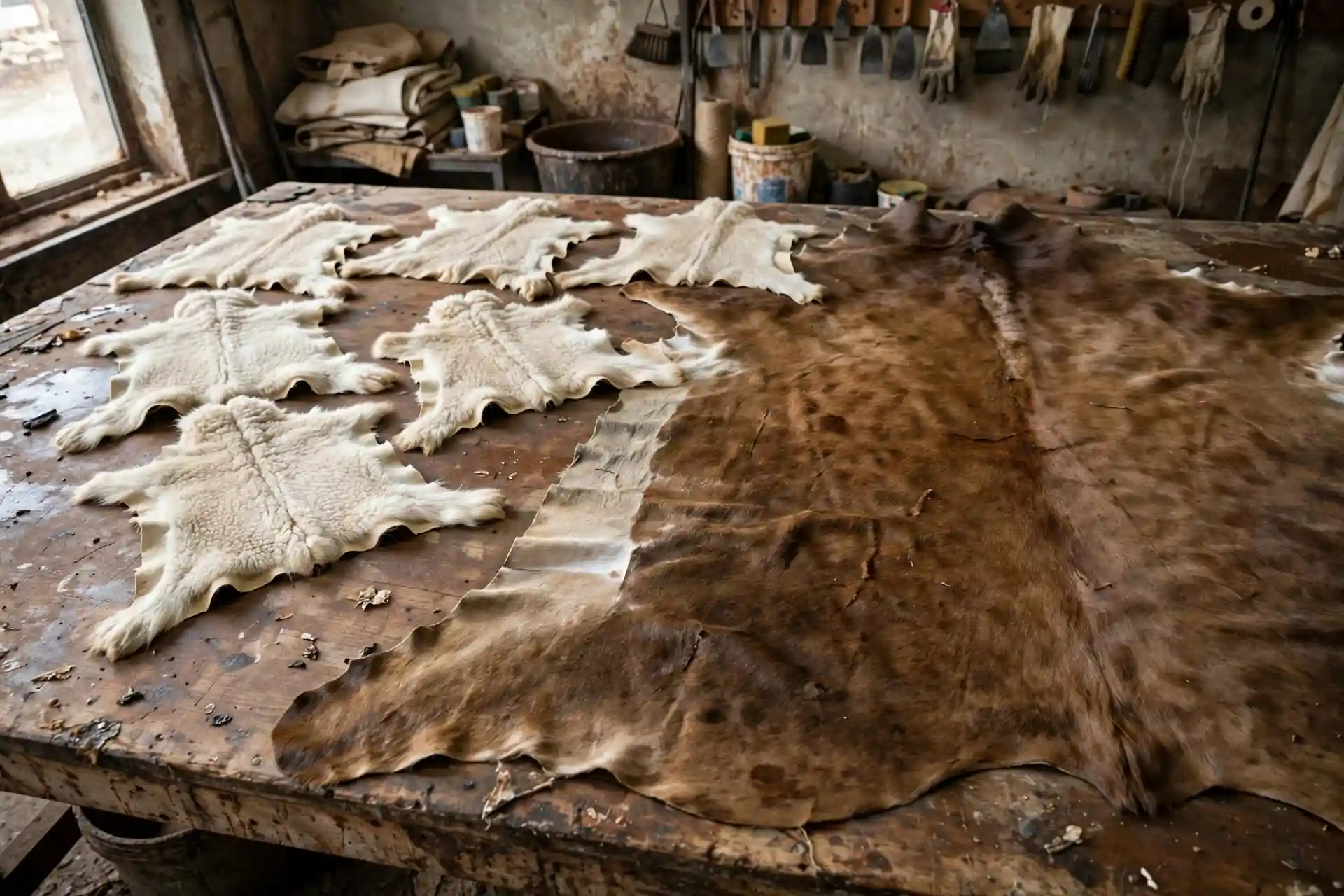
Sheep skin sits near this fight and deserves its lines. Lambskin is young sheep. Sheepskin is the grown animal. The hide runs thicker than lamb, with a coarser grain and a sturdier hand. With the wool left on, sheepskin turns into shearling, the warm build with fleece inside and hide outside.
Warmth is its whole game. A shearling jacket heats like a coat, no layers needed. Weight and bulk ride along. The look reads rugged and outdoors, far from lambskin polish. Our sheepskin vs shearling explainer splits the two forms panel by panel. The direct lambskin vs sheepskin face off helps if your pick sits inside the sheep family. Suede fans have their own fork in the road, covered in our suede vs leather jacket guide.
Grade sits above species
One truth outranks the whole species fight. The grade call outranks the animal call. A full grain goatskin outlasts a corrected grain cowhide with ease. Full grain keeps the full skin surface, tight and strong. Top grain gets a light sanding for a cleaner face. Corrected grain gets sanded and stamped to hide flaws. The full grain vs top grain split decides life span more than the animal does.
Labels blur this on purpose. The words genuine leather sound grand on a tag. They name a low grade split layer in truth, real skin yet far from the best of it. Our plain talker on is genuine leather real leather reads the label the way a maker reads it. Ask two questions of any jacket. Which animal? Which grade? The pair of answers tells you the jacket. One answer alone tells you half.
So, which leather is best for jackets: lambskin, cowhide, or goatskin?
Time to call it. The whole lambskin vs cowhide vs goatskin leather debate ends in a tie, split three ways. Which leather is best for jackets: lambskin, cowhide, or goatskin has no single winner. It has three winners wearing three lives.
The rider pick is cowhide. Thick, patient, and road proven. The daily grind pick is goatskin. Light on the shoulders, tough in the week, kind in the rain. The polish pick is lambskin. Soft at once, clean in line, right at home with sharp clothes and calm days. The cold pick is sheepskin with wool on, the one build here that heats on its own.
Most shoppers frame the hunt as a lambskin vs cowhide leather jacket fight and miss the goat in the middle. Still torn between two? Wear the test in your head. Picture your hardest normal week, not your best day. Count the knocks, the rain, the miles, the chairs. The hide that fits that week is your hide. Our wider take on what is the best leather for a jacket ranks hides by use case one by one. And when the hide call lands, the rest of the order waits in our guide on how to choose a leather jacket, style and fit and budget in line.
Lambskin, cowhide, and goatskin questions, answered
Which leather is best for a leather jacket, lambskin, cowhide, or goatskin?
The best hide matches your days. Cowhide wins for riding and rough wear. Goatskin wins for daily use with low weight. Lambskin wins for soft feel and sharp, clean looks. Grade matters as much as species. A full grain hide of any of the three beats a low grade hide of the others.
Is lambskin better than cowhide for everyday wear?
For calm city days, yes. Lambskin feels light, soft, and ready at once, with no break in time. For rough days with bags, bikes, and site work, cowhide serves better. It takes knocks that mark lambskin fast. Everyday is not one life. Match the hide to yours.
What is the softest leather for jackets?
Lambskin is the softest leather for jackets of the three. Its fine grain and thin skin drape like cloth from the first wear. Goatskin comes next, supple with a pebbled grip. Cowhide feels firm at first and softens over weeks of wear.
Which leather is toughest for motorcycle riding, cowhide or goatskin?
Cowhide. Thick cowhide gives the best abrasion cover in a slide and holds seams under stress. Goatskin is a strong second and feels far lighter on long, hot rides. Lambskin is fashion weight. It looks right at a stop and protects least at speed.
Does lambskin leather crack over time?
Lambskin cracks when it dries out and gets no feed for years. Sun and heat speed the damage. A light conditioner on a calm schedule keeps the fibers fed and the face smooth. Cracks come from neglect, not from the hide itself. Fed lambskin stays supple for many years.
How long does a goatskin leather jacket last?
A well kept goatskin jacket lasts decades. The dense fiber weave resists tears, and the natural oils slow drying and cracking. Owners pass goatskin jackets down with the pebble grain still crisp. Care stays light. Wipe it down, feed it at long gaps, store it on a wide hanger.
Is cowhide heavier than lambskin?
Yes, by a wide gap. A cowhide jacket lands near two and a half to three kilos in a mid size. Lambskin in the same cut lands near one kilo. Thickness drives the gap. Cowhide runs past a millimeter. Lambskin runs near half that.
Which leather ages best, lambskin, cowhide, or goatskin?
Cowhide ages loudest, with dark grips, shiny rub points, and rich patina. Goatskin ages with the most grace, softening while the pebble stays sharp. Lambskin ages fine and quiet under gentle use. Best here is taste. Pick the story you want the jacket to tell.
The hide is the jacket
Photos belong to style. Years belong to the hide. Three skins on one bench, three honest answers, and your week picks the winner. Soft lamb for polish. Tough cow for the road. Springy goat for the grind. Learn the feel of each once and no rail tag fools you again.