Sheepskin vs Shearling: One Skin, Two Very Different Jackets
Sheepskin vs Shearling: One Skin, Two Very Different Jackets
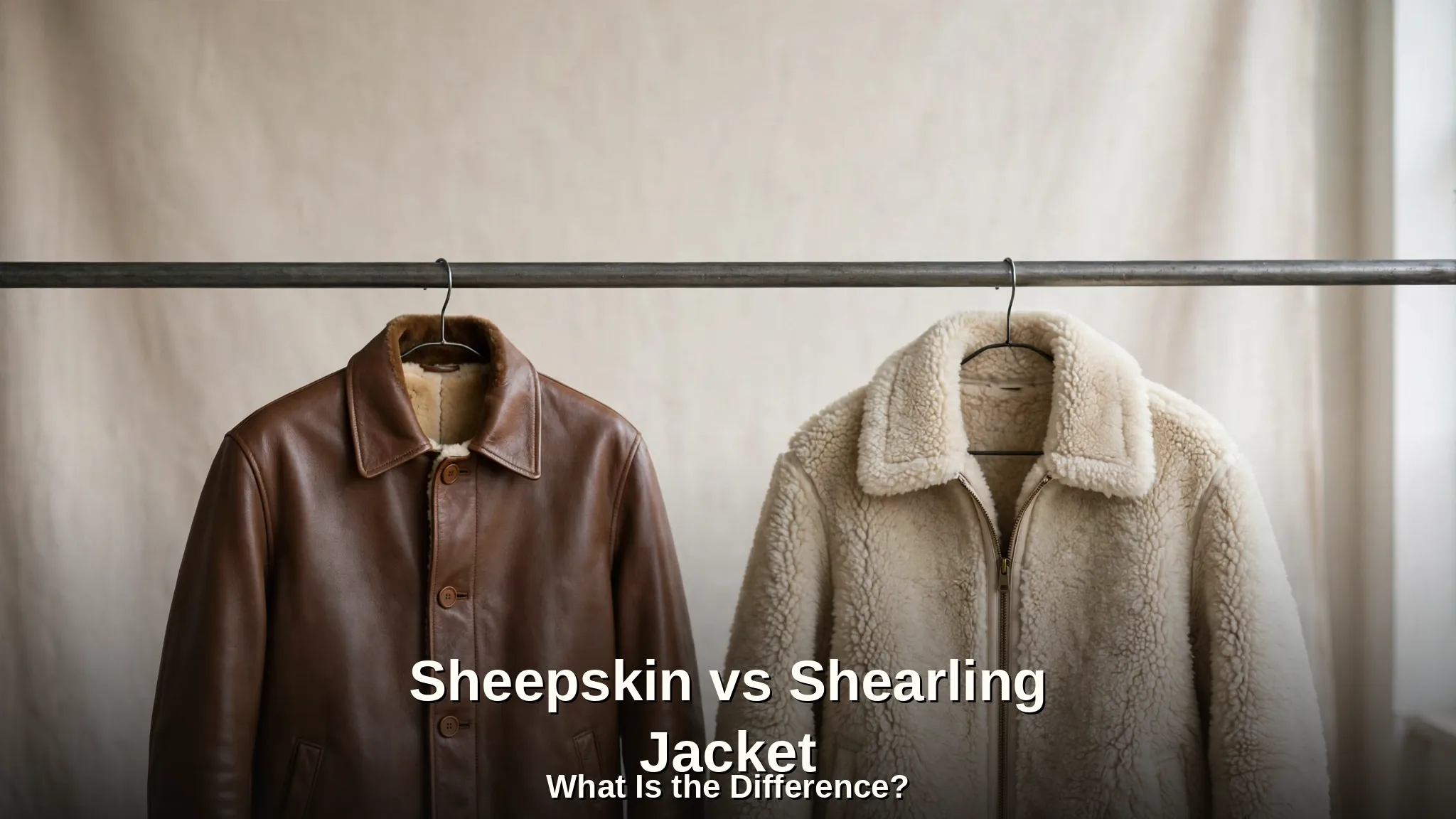
Put sheepskin vs shearling on a single rail and the mix up starts to make sense. The two coats look like close kin. One shows smooth leather outside and a thin cloth lining inside. The other shows the same leather outside and a thick wool face turned inward. Same animal, same skin at the start. Yet the tag words send buyers home with the wrong coat each winter.
One plain fact sorts the whole shelf. Every shearling jacket begins life as a sheepskin. A sheepskin jacket earns the shearling name only when the wool stays on the skin through tanning. That single call shapes the whole coat. Wool kept or wool cut away drives warmth, weight, price, and care for years.
Shearling is sheepskin tanned with the wool left on. The wool is then trimmed to one even depth. Sheepskin is the wider word for the skin of a sheep, in any state at all. Wool on, wool short, or wool gone, the name still fits. Wool left on builds warmth into the hide itself. Wool taken off leaves a light skin. That light skin then leans on a sewn in lining for heat.
This page owns the words and the gaps between them. It follows one pelt from the sheep to the rail. It sets warmth, weight, feel, and cost in plain view. Grades, styles, and picks live in our shearling leather jacket guide. The wider family, suede and nubuck included, sits in leather types explained. Care has a page of its own, linked where care comes up below.
Sheepskin is the wide word
Sheepskin names a material, not a single product. It is the skin of an adult sheep, tanned and made ready for use. Shops sell it as jacket leather, gloves, slippers, rugs, and seat covers. The word says where the skin came from. It says nothing at all about the wool.
So is sheepskin real leather? Yes, in full. The skin side is true hide. It carries pores, grain, and small marks from a real life outdoors. Keep the wool on and the piece is still one real skin. Take the wool off and the hide turns to plain leather. That leather comes in full grain, top grain, and corrected grain. Those are the same grades the rest of the rail uses.
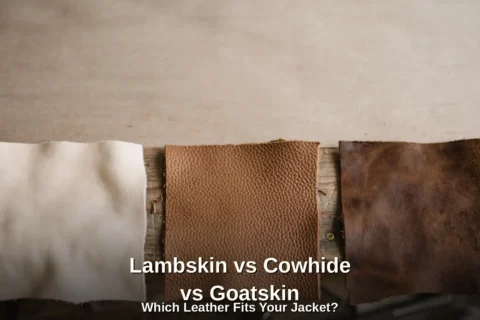
One age note clears a side mix up. Lambskin comes from a young sheep and feels finer and softer. Sheepskin comes from the grown animal and runs a touch firmer. The two skins get their own side by side in our lambskin vs sheepskin page. The lamb then takes on cow and goat in our lambskin vs cowhide vs goatskin bench test.
Read the racks with that wide word in mind. A plain sheepskin jacket in the men’s leather jackets range reads as clean leather with a cloth lining. The same word in the women’s leather jackets range can sit on a wool faced winter coat. The tag alone never tells the full tale. Your hands and eyes have to finish the job.
Shearling is the narrow word
Shearling narrows the word down to one set state. The skin must keep its wool. That wool must be cut to one even depth across the whole pelt. Miss either mark and the skin stays plain sheepskin, whatever the tag claims.
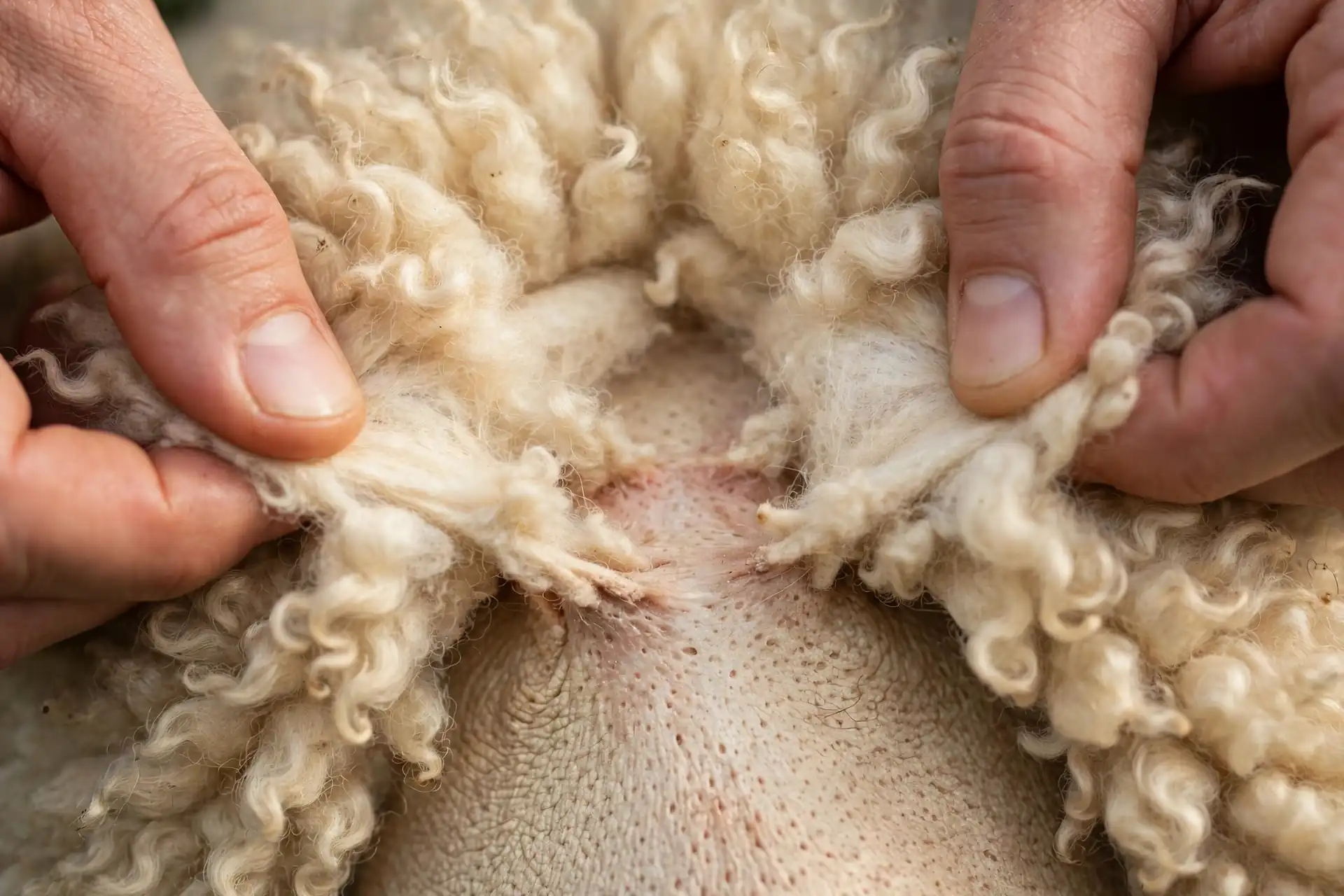
A shearling leather jacket is not leather with a wool insert glued in. It is one skin doing both jobs at once. The hide faces the street and blocks the wind. The wool faces the body and holds the heat. No seam joins the two layers. No glue holds them in place. The wool grows out of the hide, root and all.
The shape of the coat follows from that build. B3 bombers and aviator cuts made the style famous in open cockpits and cold fields. You can see the bloodline in the men’s leather bomber jackets cuts on the rail today. Long ranch coats and city coats run on the same one skin plan.
How one pelt earns the name
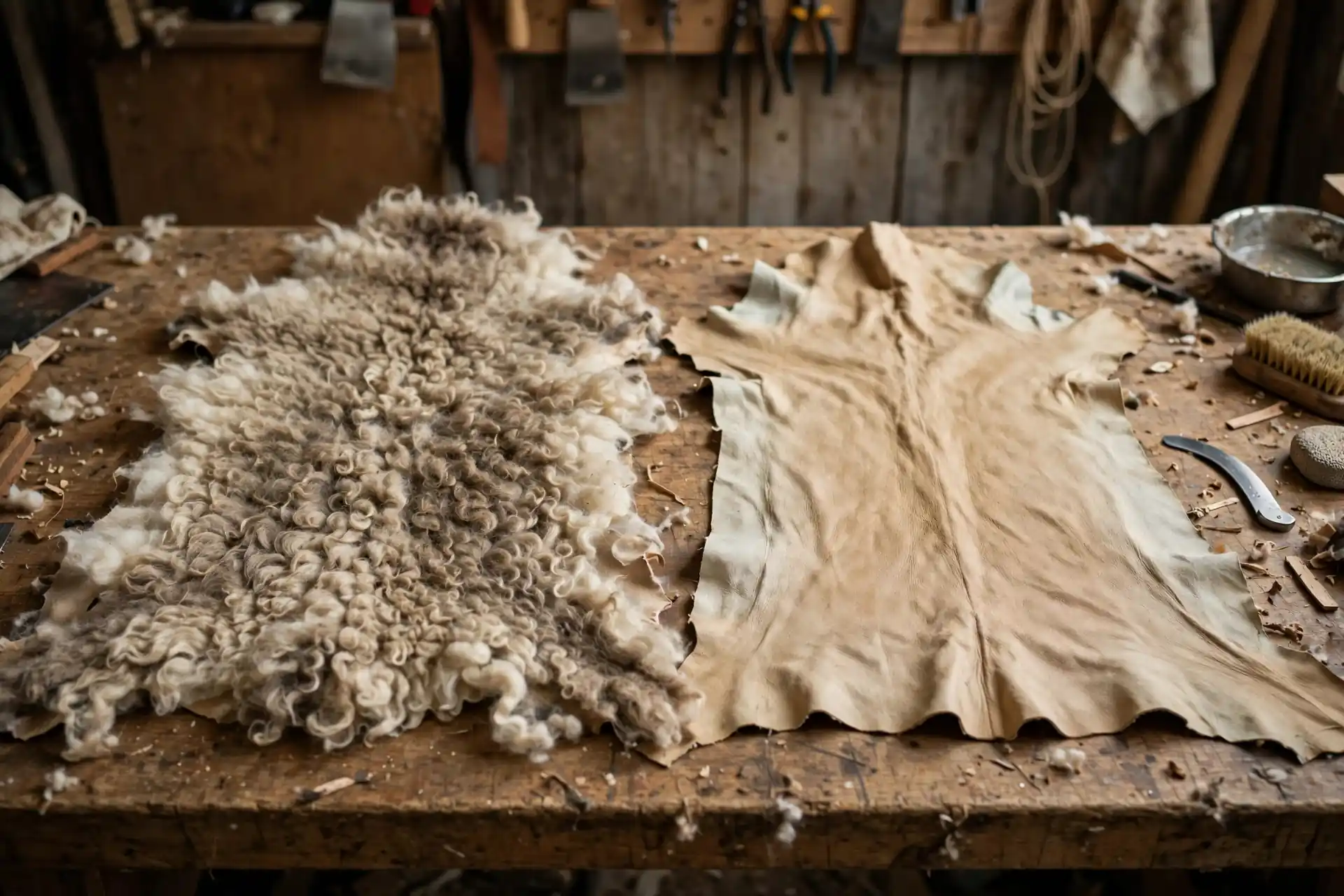
The path starts before tanning, out in the field. A shearling pelt comes from a sheep that has been shorn just once. The wool stands at a young, even growth when the skin is taken. Tanners then tan the skin with that wool still fixed in place. After tanning, shearers trim the wool to one even depth. The trim gives shearling its neat, dense, velvet soft face.
So what is a shearling coat made of? One whole pelt per panel, skin and wool as a single sheet. A full coat takes several pelts, matched by hand. Makers match wool depth, wool tone, and skin tone across the set. One coat with a pale left front and a dark right front fools no one. The match work is slow, and a lot of pelts fail it.
Tanning a skin with its wool on takes a careful hand. The tan must set the hide and leave the wool fixed and soft. Heat and harsh baths loosen wool at the root. Skilled tanners run the drums slow and mild for shearling skins. That slow work is one more reason the finished pelt costs what it costs.
That is the quiet filter in this trade. Both faces of the skin go on show in a shearling coat. The wool must stand thick and even. The skin must stay clean, with no scars or thin spots. Most sheepskins never clear that bar. The ones that do earn the narrower name and the higher shelf.
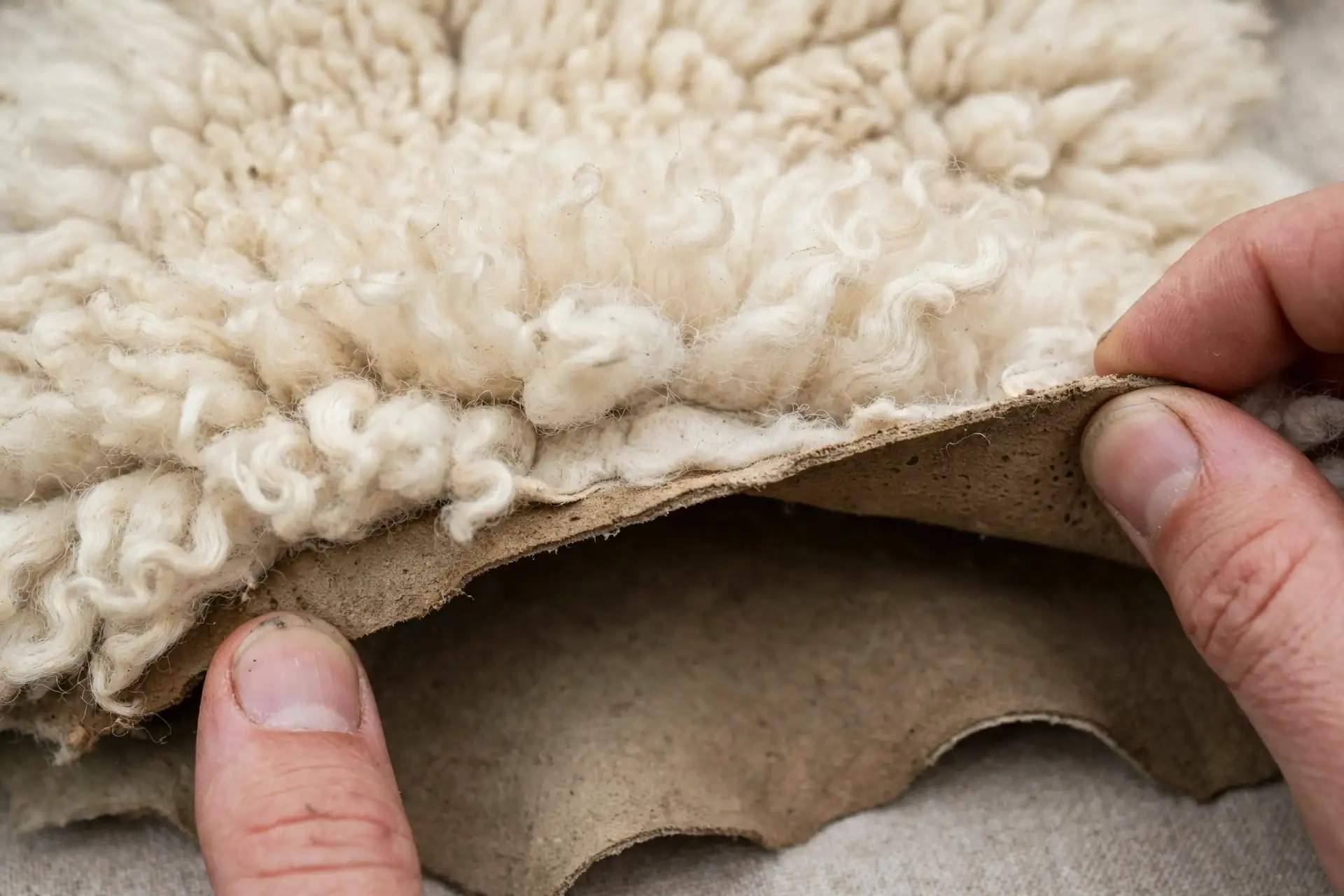
Wool on, wool off: where the two part ways
Strip the words down and what is the difference between shearling and sheepskin turns out to be one choice. That choice drives every gap below. The wool stayed, or the wool went. Each gap flows from that single fork.
Warmth
Is shearling warmer than sheepskin with the wool off? Yes, and the gap is not small. Wool is a mat of fine fibers with air held in still pockets. Still air is what keeps body heat in place. The hide on top then shuts the wind out. Plain sheepskin leather blocks wind and does near nothing else for heat. It leans on knit layers and a cloth lining to do the warm work.
Asked how warm are shearling jackets in winter, old hands give a plain answer. Shearling sits at the top of the leather family for cold. Ranch crews, pilots, and ice road drivers wore it long before modern fills showed up. The wool also breathes as you move. It takes damp air off the skin and lets it go. Long wear stays dry and warm, never clammy. True polar cold asks for more coat than any jacket gives. Our page on leather jacket for extreme cold draws that line in full.
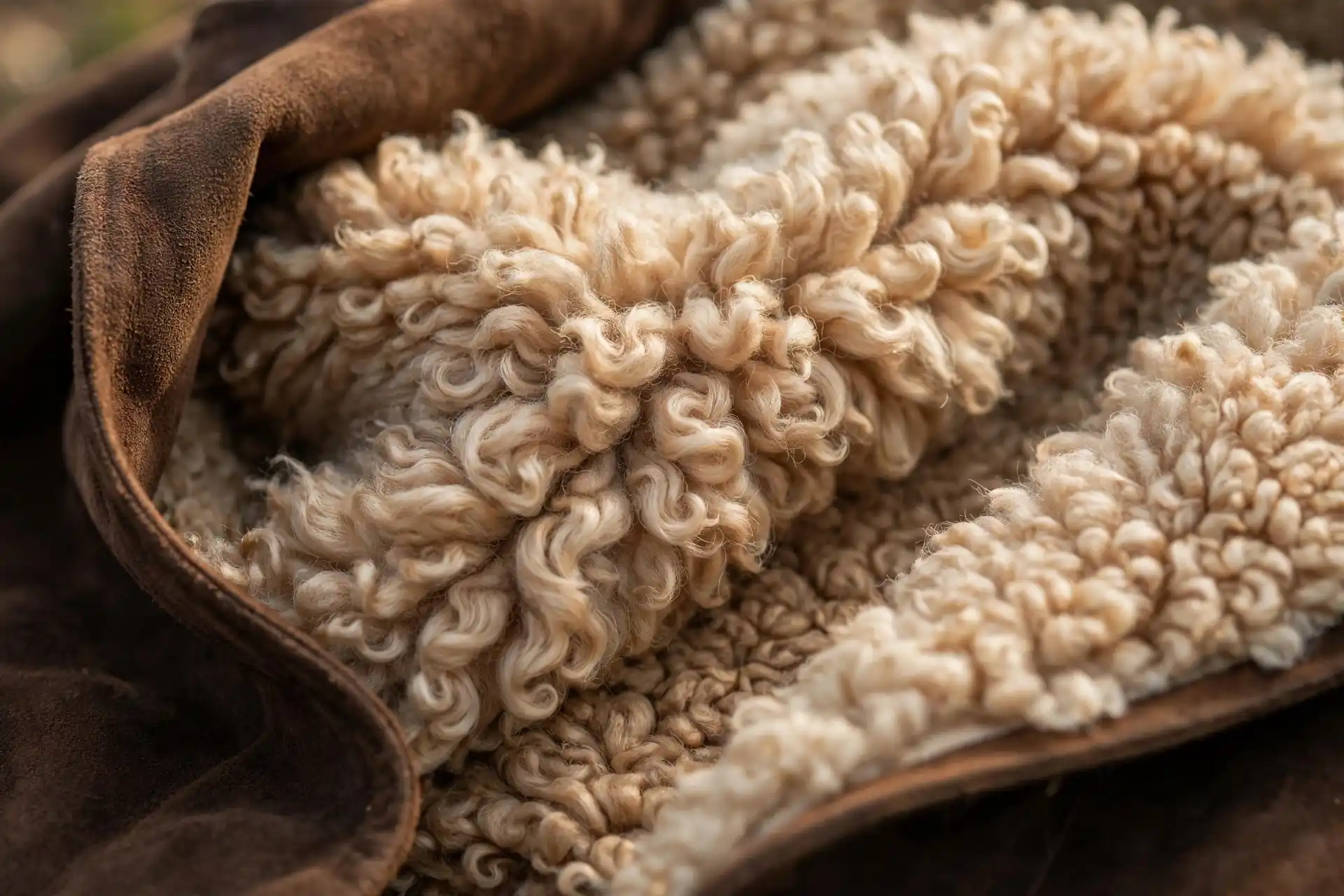
Wind is the test that splits the two skins fastest. A gust cuts through a plain leather jacket and pulls heat off the cloth beneath. The same gust dies in a shearling pile before it reaches the skin. The curl of the wool breaks the air into tiny still cells. Those cells are the whole secret of the coat.
Weight and drape
Wool is not free. A shearling coat carries real heft in the arms and across the shoulders. The panels run thick, and thick panels bend less. Plain sheepskin wears like a normal leather jacket. It drapes, it folds, and it packs flat in a case. For travel and mild months, that light skin wins on ease alone.
The cut follows the cloth, as cuts do. Shearling shapes run straighter, with room built in for the pile. Close fashion cuts in shearling fight their own bulk. Plain sheepskin takes a shaped waist and a close fit with no fight at all. Pick the skin that suits the shape you want to wear.
Wet weather manners
Neither skin is waterproof, and no honest tag says so. The skin face sheds a light shower on both builds. Wool even keeps some warmth while damp, a trick it shares with good knitwear. A true soak is where the trouble starts. Wet wool dries slow, and a skin dried fast by a heater turns stiff. The safe dry is slow air and shade, start to finish.
Upkeep
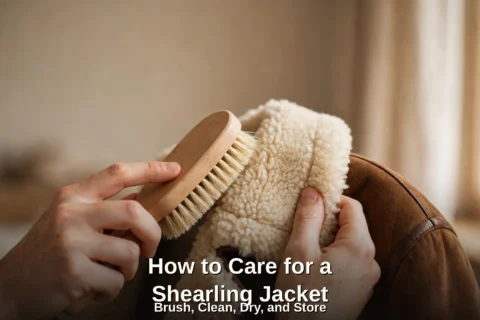
Shearling asks for a brush, a gentle hand, and slow air. The wool face wants brushing to lift the pile. The skin face wants a light feed now and then. Stains get spot work, never a full soak in a tub. The full routine, brushes and all, lives in our guide to how to care for a shearling jacket. Plain sheepskin follows the standard leather path. That path is laid out in how to clean a leather jacket, our step by step for plain hide.
The words sellers blur
Tags bend these words both ways. Some bends are loose habit. Some are pure sales talk. Learn the bent forms and the shelf gets honest fast.
Sherpa and cloth fleece
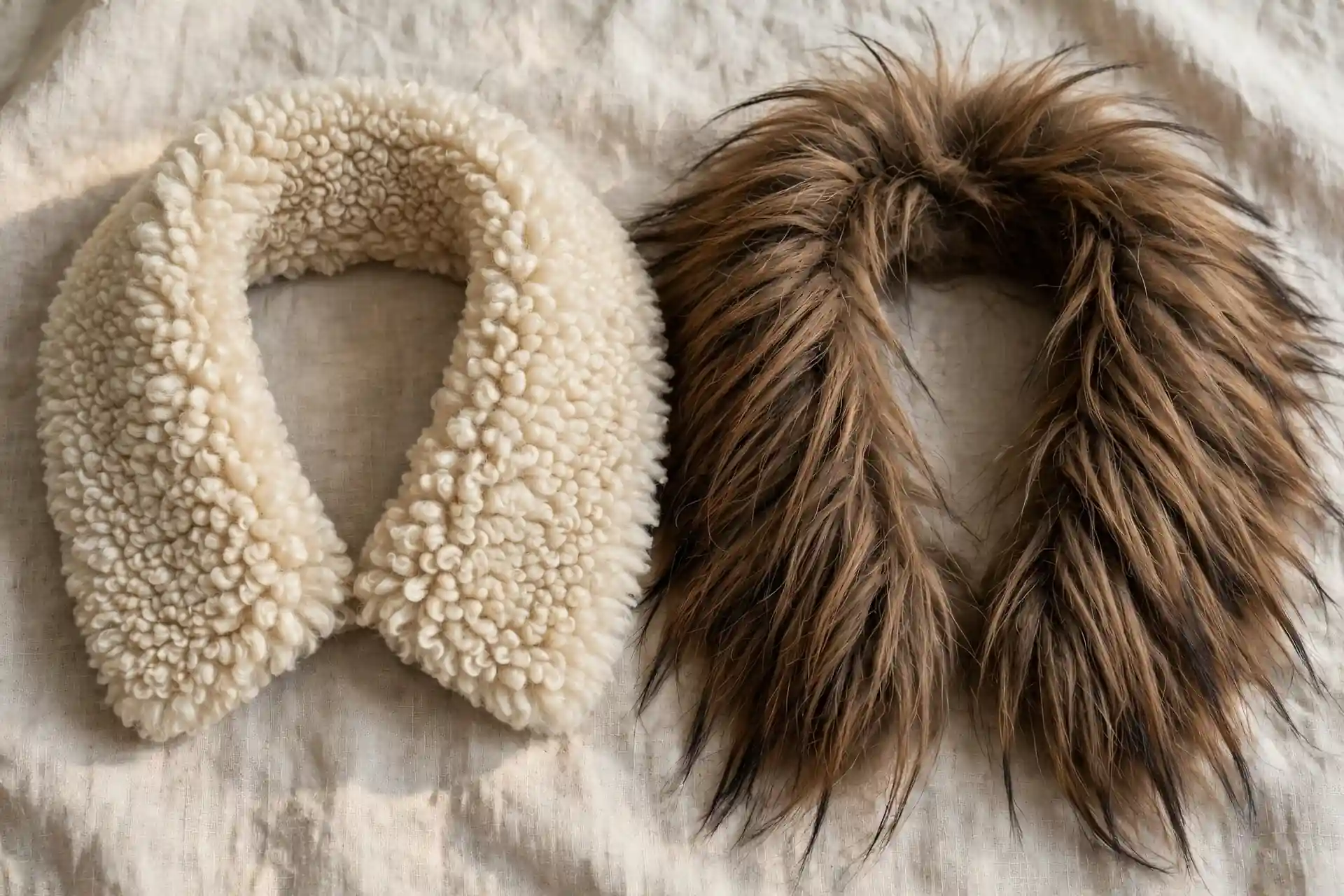
A lot of coats sold as shearling are cloth under the pile. The fleece is knit or glued onto fabric. Part the pile and a woven grid stares back. Real shearling shows skin at the roots, with no grid at all. The cloth coat has its place at its price. It just is not shearling.
Toscana, the long wool cousin
Toscana is sheepskin with the wool left long and silky. No even trim ever touches it. The skin still does both jobs, wool in and hide out. Think of it as shearling with the trim step skipped. It runs warm, looks wild, and sheds more than its trimmed kin.
Mouton, the dressed up skin
Mouton is sheepskin with the wool sheared short, then straightened and dyed. Old coats used it to mimic costlier furs. The wool loses its curl and gains a smooth shine. It is still one real skin under the show face. The label just rarely says so in clear words.
Shearling next to fur
A shearling vs fur jacket check starts with the hair itself. Fur keeps long guard hairs over a soft undercoat. It is worn with the hair out, as the show face of the coat. Shearling wool is short, dense, and curled, and it is cut to one even depth. Shearling also turns the plan around. The wool faces in, and the skin faces out. Two skins, two builds, two price worlds.
Shearling next to a wool lining
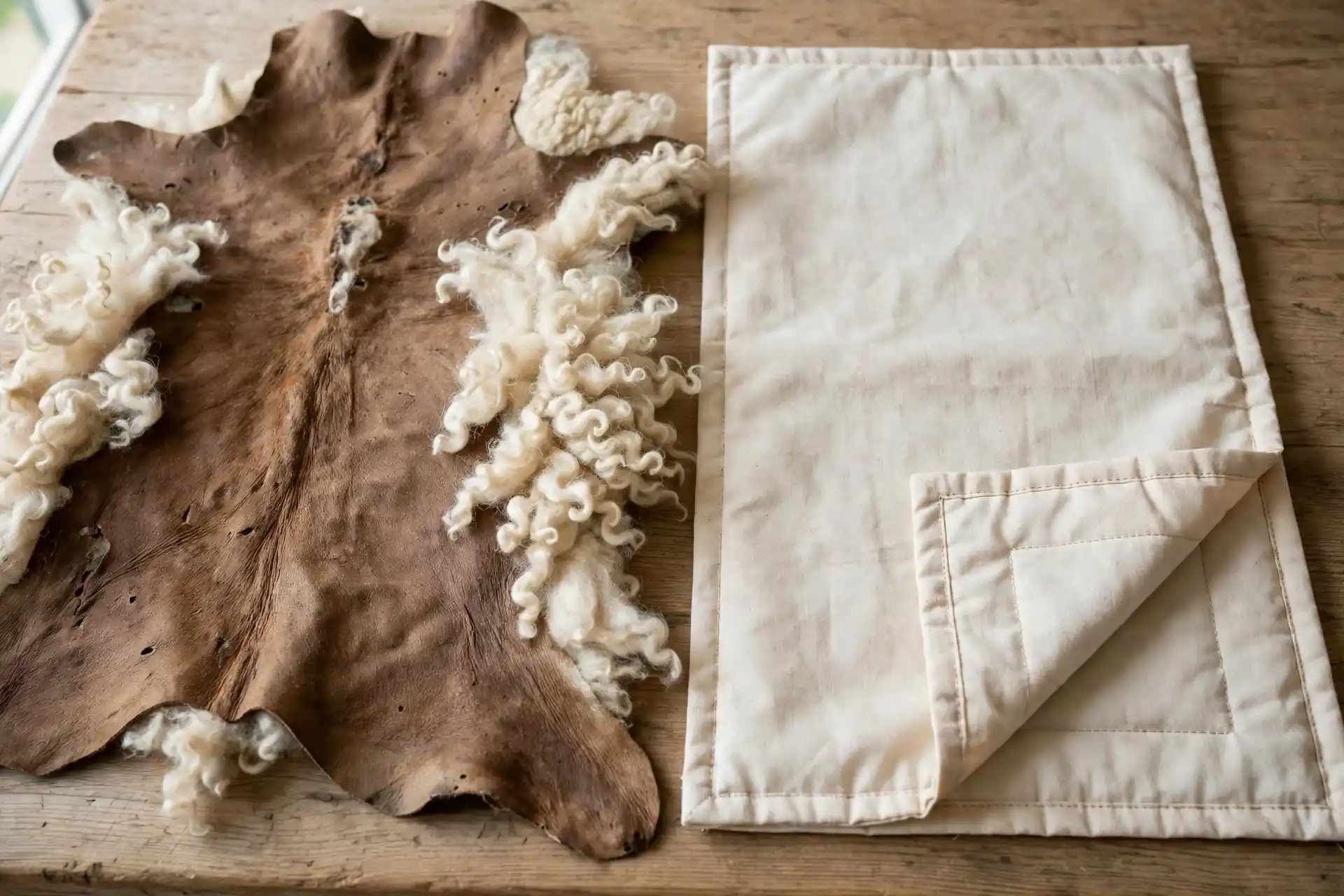
Shearling vs wool lining is a build check, not a warmth tie. A wool lining is a separate cloth, sewn into a plain leather shell. Seams hold it in place, and seams tear, bunch, or sag with years. Shearling wool grows out of the hide itself. There is no seam to fail and no layer to shift. Weight for weight, the grown wool also warms more.
What double face means
A double face shearling jacket has both faces of one skin finished for wear. The skin side gets a smooth or sueded face. The wool side stands trimmed and clean. The coat needs no added lining at all. Some cuts even wear both ways, wool out on a calm day. The phrase means two finished faces on one skin. It does not mean two skins sewn back to back.
How to tell which one you hold
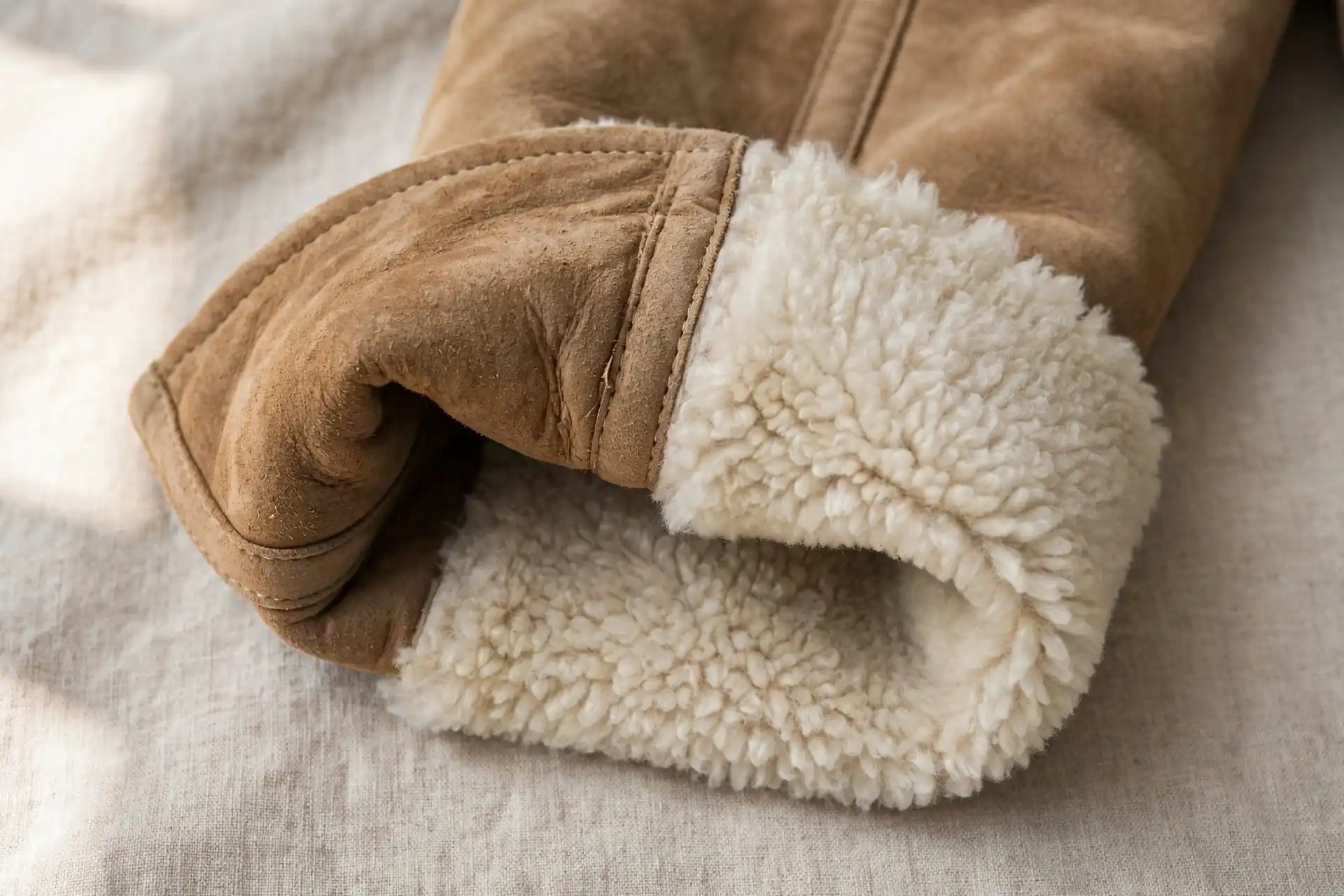
Three checks take ten seconds in a shop. They work on new coats and thrift rail finds alike. Start at a cuff or a hem edge. On shearling, the wool runs right up to the skin edge with no seam break. A lined coat shows a stitch line where cloth meets leather. Next, part the wool with two fingers and look at the roots. Wool that grows from skin sits in a smooth hide base. Cloth pile shows its woven grid at once. Last, weigh the coat in your hands. Shearling feels dense and warm the second you lift it. A plain sheepskin jacket feels like any good leather jacket, no more.
The edge of the skin tells the same tale in cross view. A shearling edge shows two layers that never split apart: hide below, wool above, one piece. A lined coat edge shows hide, a gap of air, then cloth. Boot linings and seat covers use the same grown wool build. Once your eye learns the edge, shop rails lose their power to fool it.
Tags love the phrase genuine shearling jacket. Treat the phrase as a claim, then run the part test. Real roots in real skin back the claim up. A grid at the roots ends it on the spot. The full set of checks lives in how to tell if a leather jacket is real. They run burn free and shop safe. The label word itself gets a hard look in is genuine leather real leather.
Why the shearling shelf costs more
No dollar signs here, just the reasons. Shearling starts with a rare raw skin. Both faces must be clean at once, and few pelts pass. Matching then cuts the pile down more. A coat needs a set of pelts with one wool depth and one tone. Tanning with the wool on is slow, skilled work. The wool must stay fixed while the skin takes the tan.
Plain sheepskin has far more roads to market. A pelt that fails the shearling bar still sells as leather, as a rug, or as trim. That wide demand keeps its price in a lower band. You pay for shearling the way you pay for any rare grade. The money buys the filter, the match work, and the warmth that comes built in.
Which one fits your life
Hard cold points one way. Long hours outdoors, wind off open land, and months of true winter all call for shearling. Mild cities and mixed seasons point the other way. A plain sheepskin jacket covers fall, spring, and cool nights with ease. It also rides light on a plane and hangs flat in a small closet.
Closet space plays a quiet part in the call. A shearling coat takes the room of two plain jackets and asks for air around it. It also asks for a brush now and then, plus slow shade drying after wet days. Buyers who want a grab and go coat often land happier with plain sheepskin. Buyers who plan their winters around one warm coat land the other way.
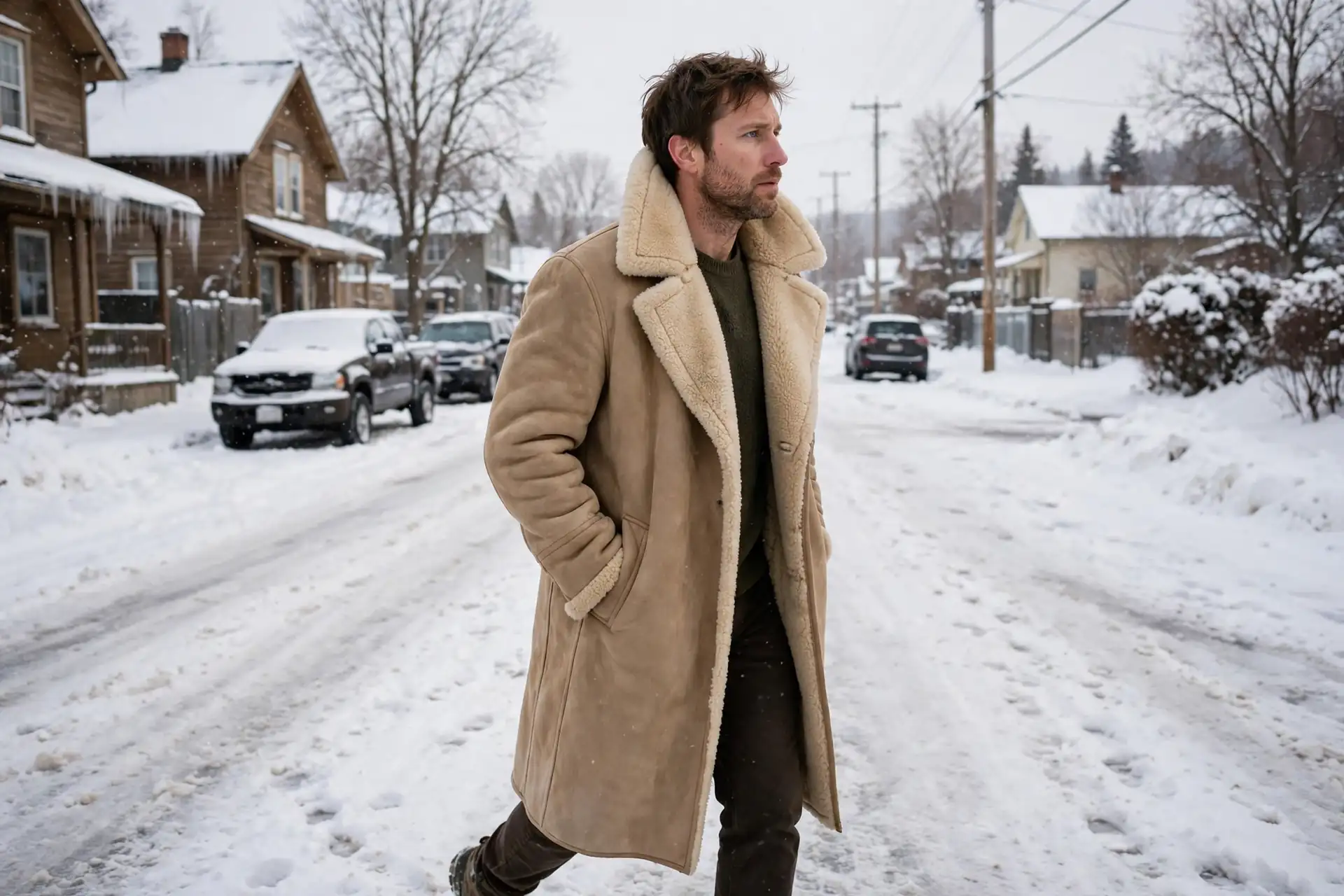
The classic shearling jacket for men is the B3 or the long ranch coat. Both cuts wear the wool collar up and proud. The shearling jacket for women runs to shaped short cuts and long wrap coats. The wool trim at the cuff and collar does the styling work on its own. The women’s leather bomber jackets rail shows the short cut at its best. Season picks across the whole rail sit in leather jackets by season.
Buyers between sizes get the same choice in both skins. At Denver Jackets the benches cut sheep skin in our own production unit. Every design runs from small to 4XL, with made to measure on top of that. The custom leather jackets route builds either skin to your own numbers. Wool on or wool off, the fit is yours alone.

The ethics question, in plain terms
Is shearling ethical? The honest start is that both skins are animal products. No words on a tag change that fact. Most shearling and sheepskin skins come from sheep raised for meat and wool first. The skin is a byproduct of that chain, saved by tanning from the waste pile. That record is why many buyers rank it apart from fur farmed for pelts alone.
Your own line is yours to draw. A buyer who skips all animal goods will skip both words on this page. A buyer who eats lamb and wears wool has a plain case for the skin as well. What no buyer should accept is a cloth coat sold under a skin word. The part test keeps that line clean.
Sheepskin and shearling questions, answered plain
What is the difference between sheepskin and shearling?
Sheepskin is the wide word for the skin of a sheep, in any state. Shearling is that same skin tanned with the wool left on and trimmed even. Every shearling is sheepskin. Most sheepskin never becomes shearling. The full side by side is the shearling vs sheepskin jacket choice on the rail above.
Is a shearling jacket warmer than a sheepskin jacket?
Yes. The wool traps still air against the body, and still air holds heat. Plain sheepskin blocks wind but adds near no warmth of its own. It needs layers and a lining to chase the same heat.
Are shearling jackets waterproof?
No. The skin face sheds light rain for a short spell. A soak wets the wool through and can stiffen the skin if dried wrong. Dry a wet shearling slow, in shade and moving air.
What is a shearling jacket made from?
One sheep pelt per panel, tanned whole with the wool on. The skin side faces out and the wool side faces in. No lining is sewn in, since the skin brings its own.
How warm are shearling jackets in winter?
They sit at the top of the leather family. The wool and hide pair was built for open cockpits and ranch winters. In hard cold with wind, few jackets of any cloth match it.
What does double face shearling mean?
Both faces of one skin are finished for wear. The skin side shows smooth or sueded, and the wool side stands trimmed. The coat needs no lining, and some cuts wear with either face out.
Is shearling the same as fur?
No. Fur keeps long guard hairs and is worn hair out. Shearling wool is short, dense, and curled, worn wool in. The two come from different animals and different builds.
How do you care for a shearling jacket?
Brush the wool, spot clean stains, and dry it slow in shade. Feed the skin face a light conditioner now and then. The full routine sits in our shearling care guide.
The ten second rail test
Words on tags will keep drifting. Skins do not drift. Flip the cuff, part the wool, and weigh the coat in your hands. Skin at the roots means shearling, whatever the tag says. A seam and a grid mean a lined coat in a borrowed name. Buy the skin your winters ask for, and the word on the tag stops mattering.