Are Leather Jackets Warm for Winter?
Are Leather Jackets Warm for Winter?
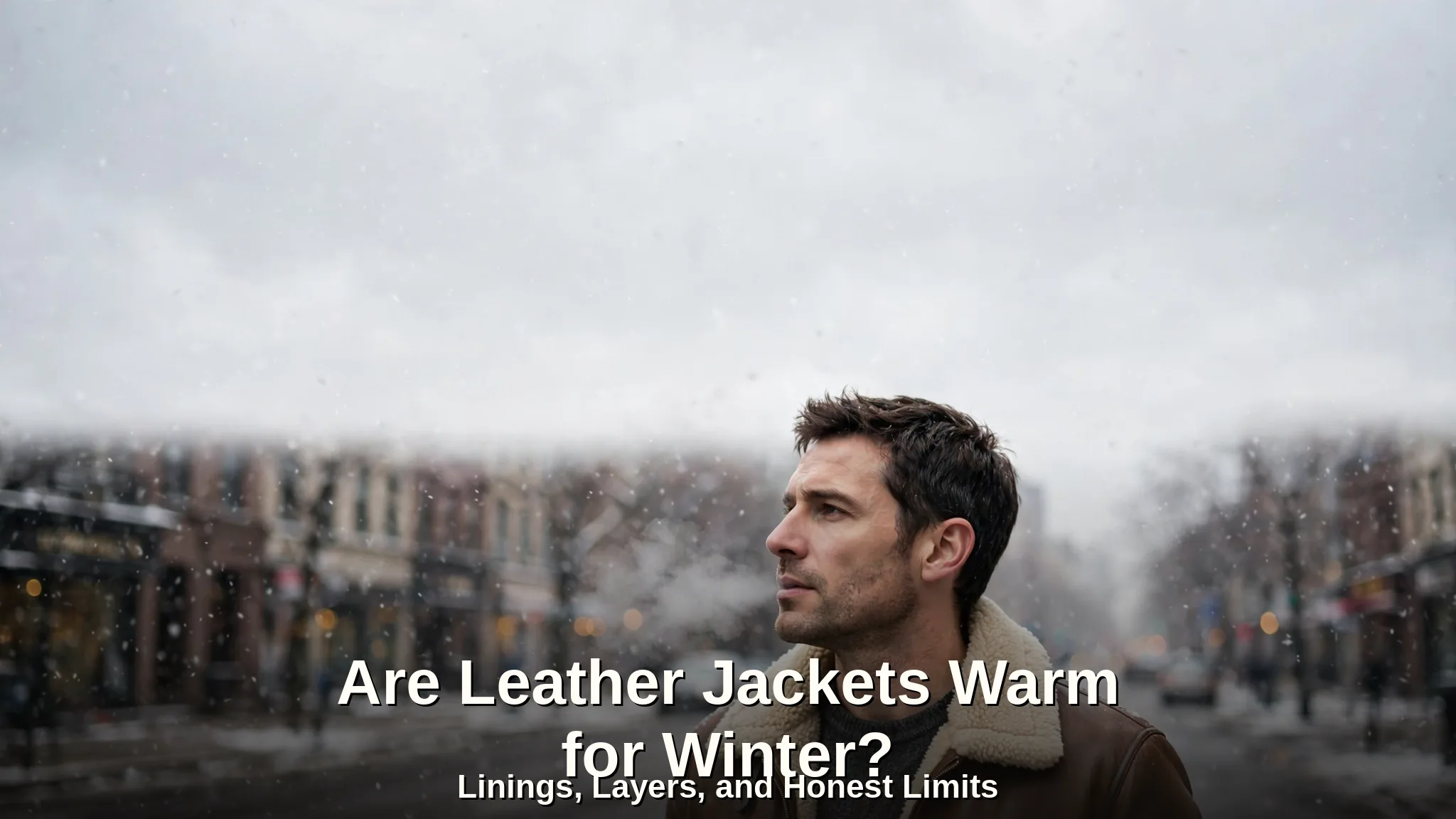
Picture a January morning in Chicago. The wind comes off the lake in hard gusts. It finds every gap in your clothes and picks at it. A man at the train platform wears a leather jacket over a thick sweater. His collar is up, his hands sit in his pockets, and he looks calm. Everyone around him hunches and shivers. Two platforms over, a woman in a thin fashion leather jacket over a blouse does a small dance to stay warm. Same material on both backs. Wildly different results. That gap is the whole story of leather and winter. This leather jacket winter warmth guide exists to close it.
The short answer to are leather jackets warm for winter is yes, with one honest condition. Two things have to work together. The hide shuts out the wind. A proper lining traps the heat your body makes. Get both halves right and a leather jacket handles real winter with ease. Miss the second half and you own a handsome wind shell. It quits on you the moment the temperature drops. The sections below walk through each half in plain terms. Real numbers show where each kind of jacket stops working.
Leather on its own is a wind shield, not a blanket. A leather jacket keeps you warm when the hide stops the wind. The lining must also trap your body heat against you. Lined well and layered right, it handles true winter. Thin and unlined, it is a fall jacket wearing a winter costume.
One more thing before the details. Warmth is a system, not a single garment. Leather plays the outer role in that system better than almost any fabric ever woven. Our full guide to leather jackets for every season maps where leather shines across the whole year. This page stays on the cold months. That is where the questions get sharp, and where a wrong purchase gets punished daily.
The wind steals more heat than the cold does
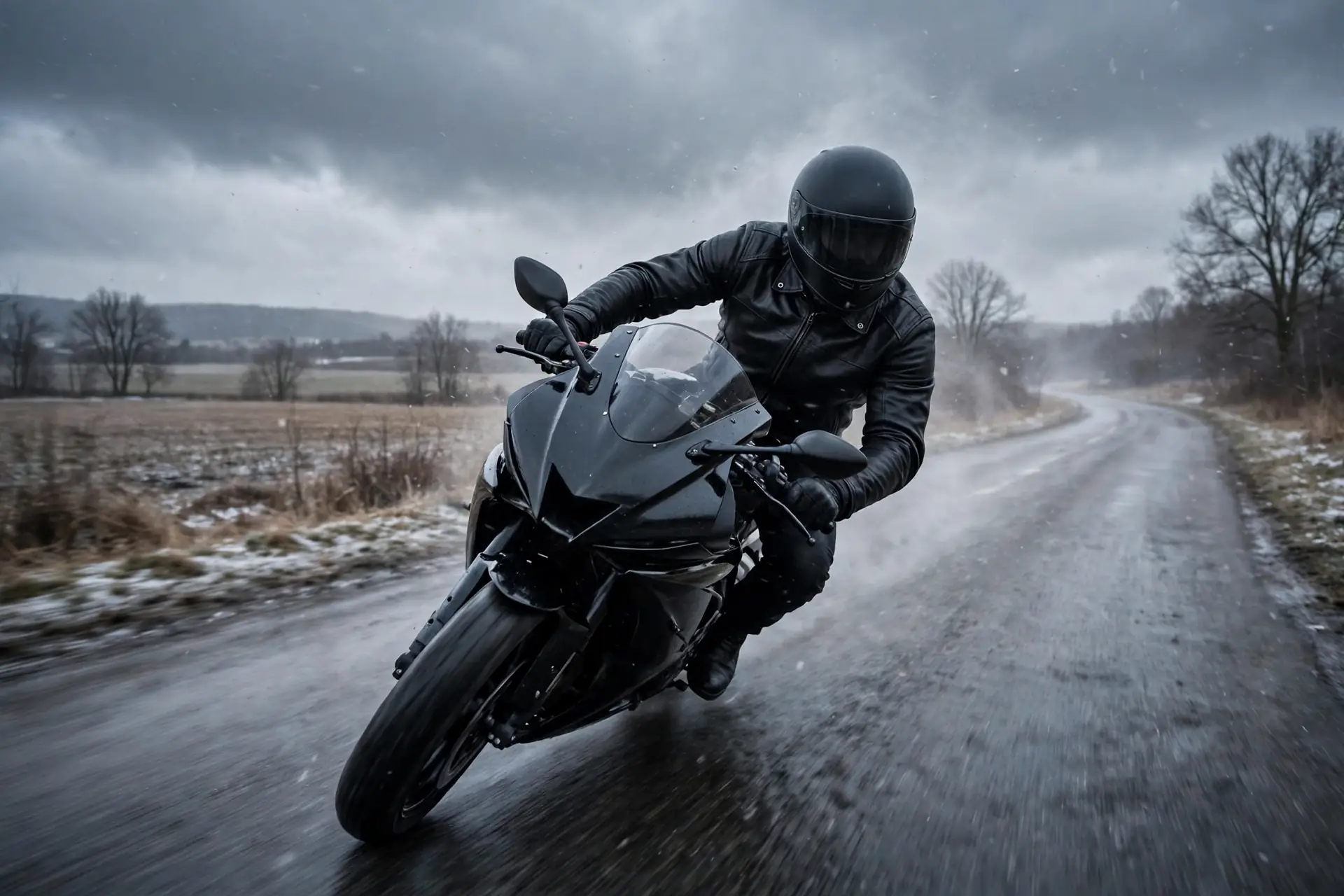
Cold air on still skin is a slow problem. Wind is a fast one. Moving air strips the warmed layer off your body again and again. Your body burns energy replacing it. Riders learned this a century ago. Leather became the uniform of people who travel through weather at speed. A dense hide lets almost no air move through it. Gusts hit the surface and slide off. Your warmed air layer stays wrapped around your torso. The sweater underneath gets to do its job in peace. That is the core of leather jacket wind protection. No woven coat fabric matches it at the same weight.
So how does a jacket keep you warm in the first place? Every warm jacket on earth works the same way. Your body heats a layer of air. It holds that air still, so the heat stays with you instead of drifting off. Puffers do it with loft. Wool does it with crimped fibers full of tiny air pockets. Leather does the outside half of the trick. It seals the system shut. The trapped air inside survives the walk to the bus stop, the ride across town, and the wait on the platform. We break the science down further in our post asking do leather jackets keep you warm. The wind and lining evidence gets a full hearing there.
Ask the question the way searchers ask it. Do leather jackets keep you warm, or do they just block wind? Blocking wind is most of the battle in real city winter. Cold rarely attacks without moving air behind it. On a calm day at the same temperature, a plain leather jacket feels far less mighty. Nothing is attacking the system, so sealing it adds little. Wind is the thief. Leather is the lock on the door. The lining, covered next, is the guard inside the house.
The lining decides how warm the jacket gets
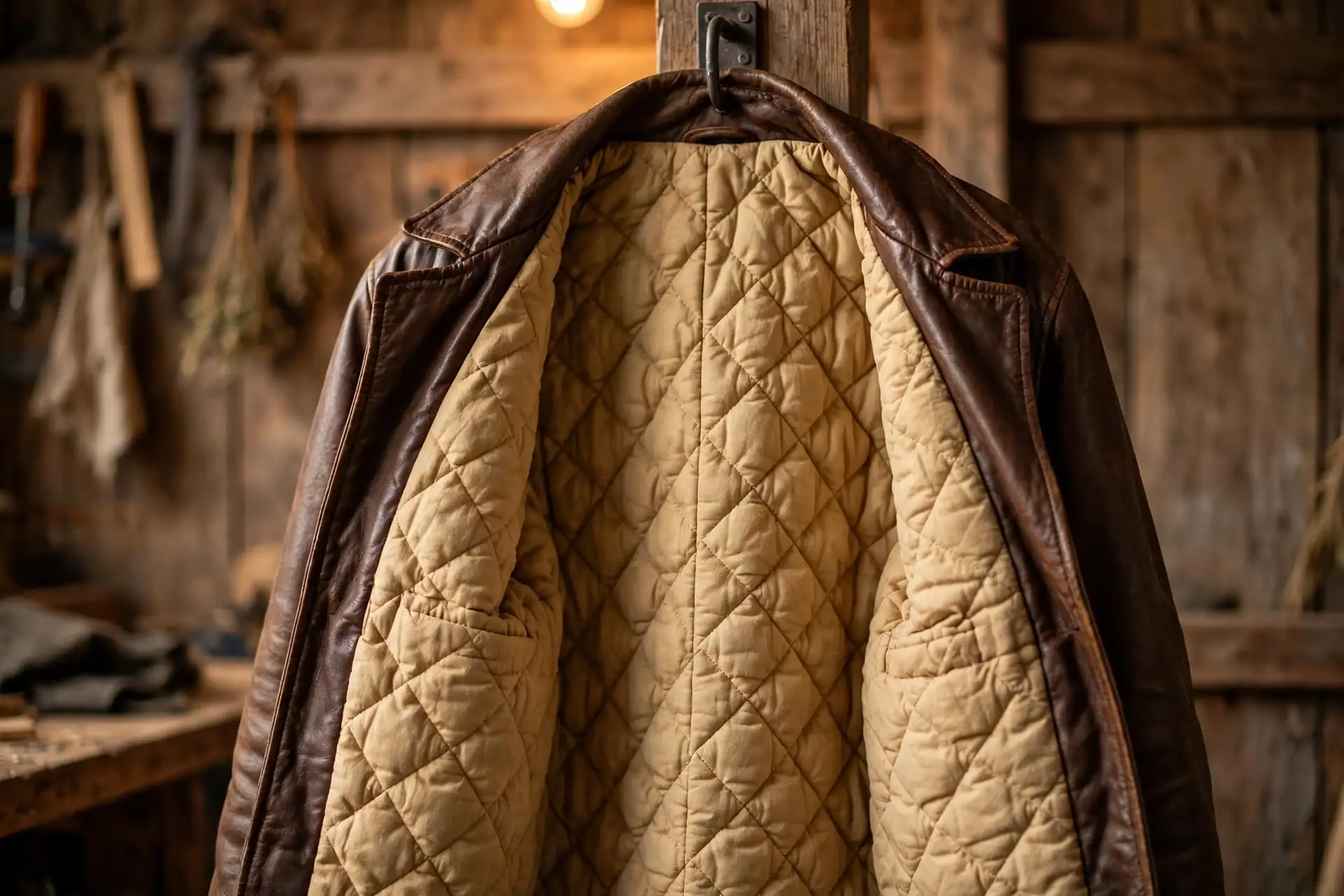
Here is the truth most product pages skip. The hide sets the ceiling for wind defense, but the lining sets the warmth. Leather jacket insulation explained in one line goes like this. Insulation is trapped air. The lining is the part built to trap it. A jacket with a thin shiny fabric lining has almost nothing inside. Cold soaks through the hide and reaches your sweater all day. A jacket with a padded quilted lining carries a stitched blanket inside it. Its stitched pockets stay full of still air. Those pockets hold your heat the way a comforter holds it in bed.
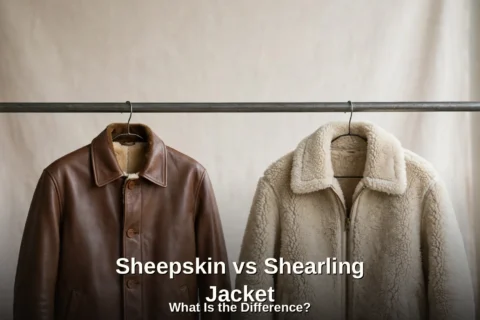
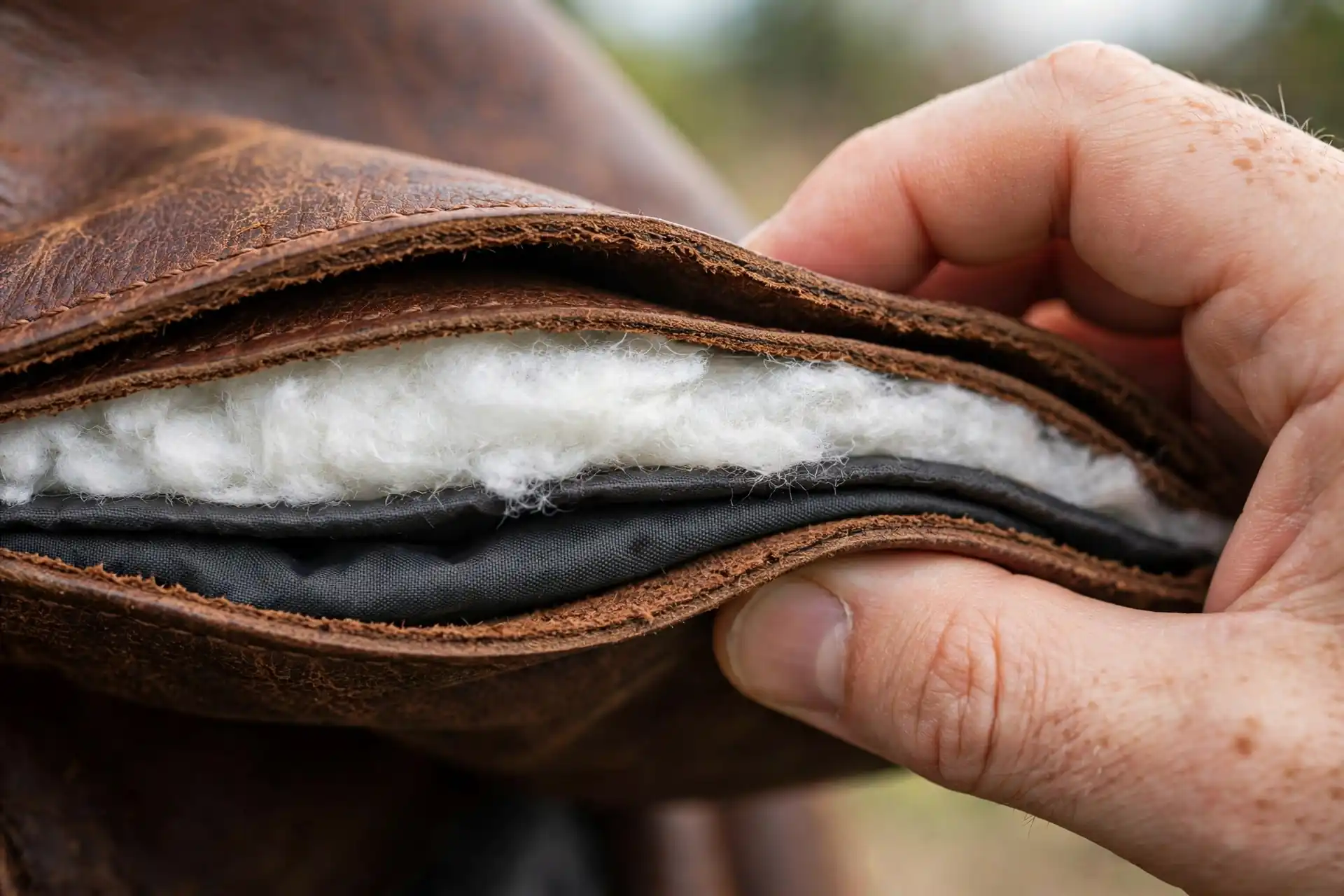
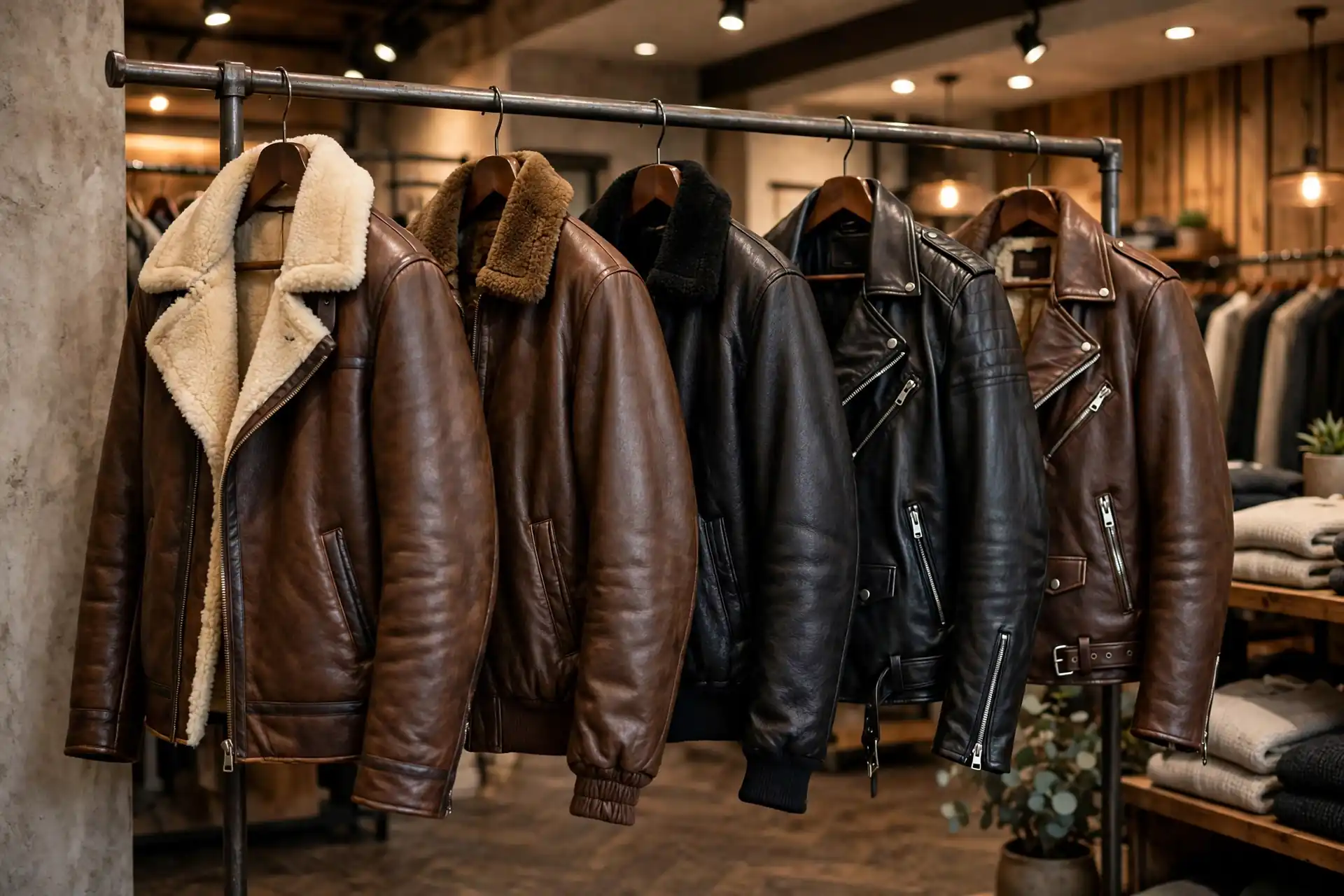
Linings come in clear warmth ranks. A plain fabric lining adds smoothness and nothing else. Treat that jacket as a wind shell for mild cold. Quilted padding adds real insulation. It suits most winter days in most cities. Shearling takes the top rank. Wool grows on the hide itself there, dense and springy, full of trapped air in every curl. Shearling also breathes. It releases extra moisture instead of letting sweat build up and chill you later. If you are asking what lining makes a leather jacket warm, the order runs shearling first, quilted padding second, plain fabric a distant third. Our guide to every lining type used in leather jackets walks through the full set, with the pros and cons of each.
Hunting for a leather jacket with warm lining means reading past the style name. Check the inside before anything else. Zip the jacket open in the store. Shopping online, read the build details with care. Thick padding you can feel through the lining cloth is real. A lining that feels like a sheet of paper is decoration. Weight tells the truth too. A true winter leather jacket has heft in the arms. Most of that heft is the warm build inside, not the hide alone.
Plain talk numbers for cold days
Advice like warm enough means nothing until it meets a thermometer. The ladder below uses Fahrenheit. It assumes a healthy adult walking at a normal pace with a sweater on underneath. Sitting still at a bus stop in wind pulls every number down. Moving fast on foot pushes them up a little. Treat the rungs as honest field notes from cold climates, not lab promises.
A thin unlined fashion jacket holds comfort down to about 50 degrees. Below that, the cold hide against your arms starts to win. No sweater fully saves the setup. Quilted padding works from about 50 down into the low 30s. That range covers the heart of winter in cities like New York, London, and Berlin. Shearling lined builds keep working below freezing. They hold through the 20s and into the teens. The wool inside traps a serious depth of warm air. Past the teens, with wind on top, you have left leather jacket country. Parka country starts there. Our guide to leather jackets built for extreme cold covers that hard end of the map.
So at what temperature is a leather jacket not warm enough? An unlined jacket fades near 45 to 50 degrees once wind joins in. Padding drops the line to around 25 to 30 degrees. Shearling pushes it to roughly 10 to 15 degrees for most people. Few winter days in the big leather jacket cities ever get colder than that. Are leather jackets warm in winter for the average buyer in an average city? By that ladder, the answer is yes, as long as the lining rung matches the local weather rung.
Leather against wool, head to head
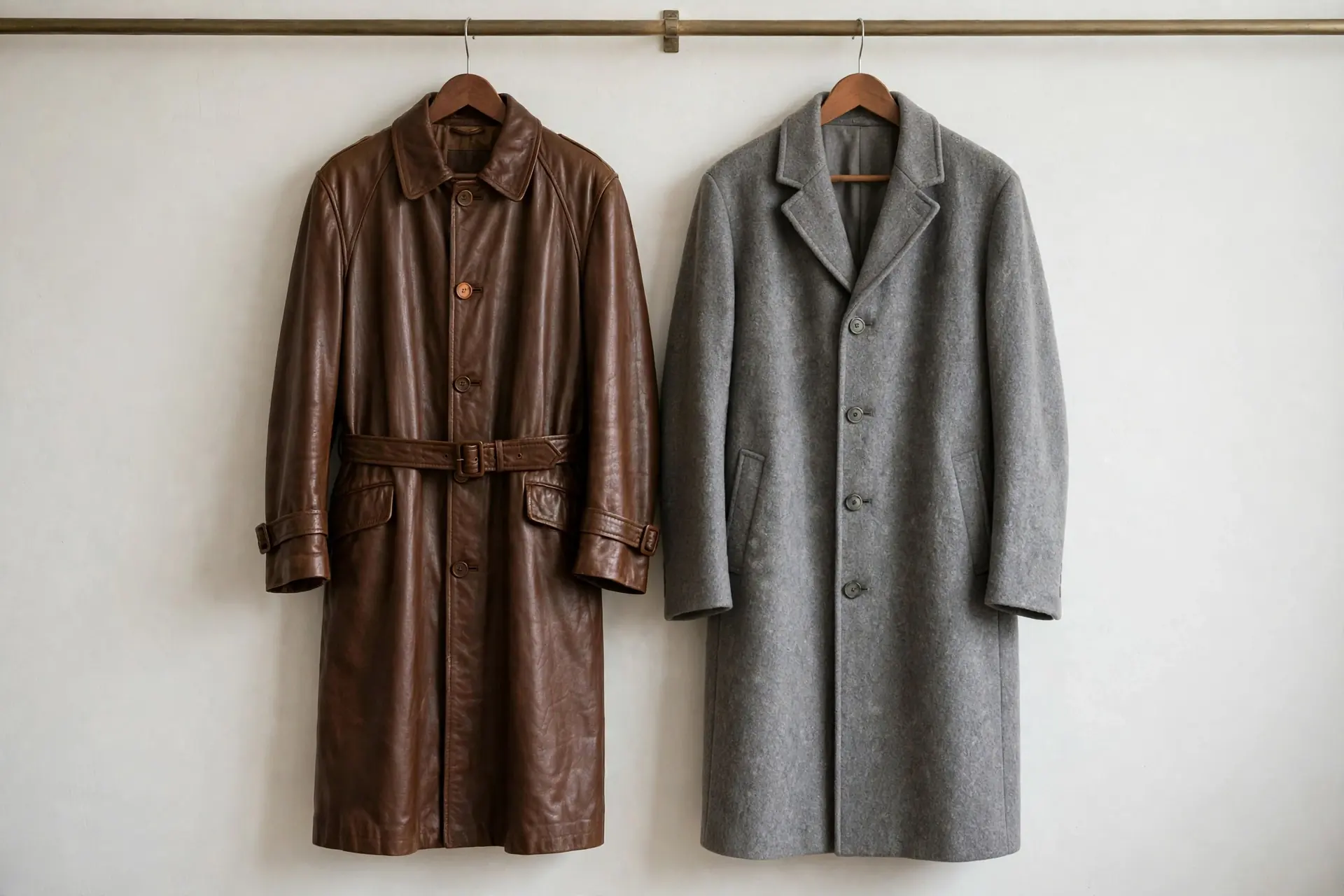
The oldest winter argument in the closet pits the leather jacket vs wool coat for winter. Both sides hold real ground. Wool insulates with its fibers even in still air. A heavy wool coat in calm bitter cold is a fine thing. Wool also keeps a share of its warmth when it gets damp. The weaknesses show up outdoors. Wind cuts through woven wool far easier than it cuts through a hide. A wool coat on a gusty street can feel colder than its weight promises. Rain and wet snow soak into wool and stay there. The coat turns heavy and slow to dry.
Is a leather jacket or a wool coat warmer? In wind, the lined leather jacket wins. It defends the warm air layer that the wool coat lets leak away. In still air at the same temperature, a thick wool coat pulls even or ahead. Its fibers insulate without help from any lining. Wet snow flips the test again. Leather sheds the moisture off its surface. Wool drinks it in. Most winter days in most cities mix wind with cold. Damp air joins in for free. That mix is exactly the fight leather was built for. Own both if your closet allows it. Reach for leather on the windy days. Windy days are most of them.
Real hide against fake hide on a cold day
The warmth gap between real and fake leather surprises people. On wind blocking alone, the two run close. A plastic coated fabric also stops air. The split shows up in everything around the wind test. Fake leather is a plastic skin over a cloth base. Plastic turns stiff and brittle as the cold deepens. Flex a fake jacket at the elbow on a hard frost morning. The surface feels like it wants to crack. In time it does exactly that. Real hide stays supple in the cold. It moves with your body instead of fighting it.
Moisture tells the second half of the story. Plastic traps sweat against your layers. Trapped sweat turns clammy, then chilly, the moment you stop moving. Real leather passes a small amount of moisture outward. The inside climate stays steadier across a whole day out. So on genuine leather vs faux leather warmth, call the wind score a tie. Give the all day comfort score to the real hide, clear and clean. The warmth at minute five is the same. Hour five tells a different story, and winter days are long.
The layers under it decide the rest
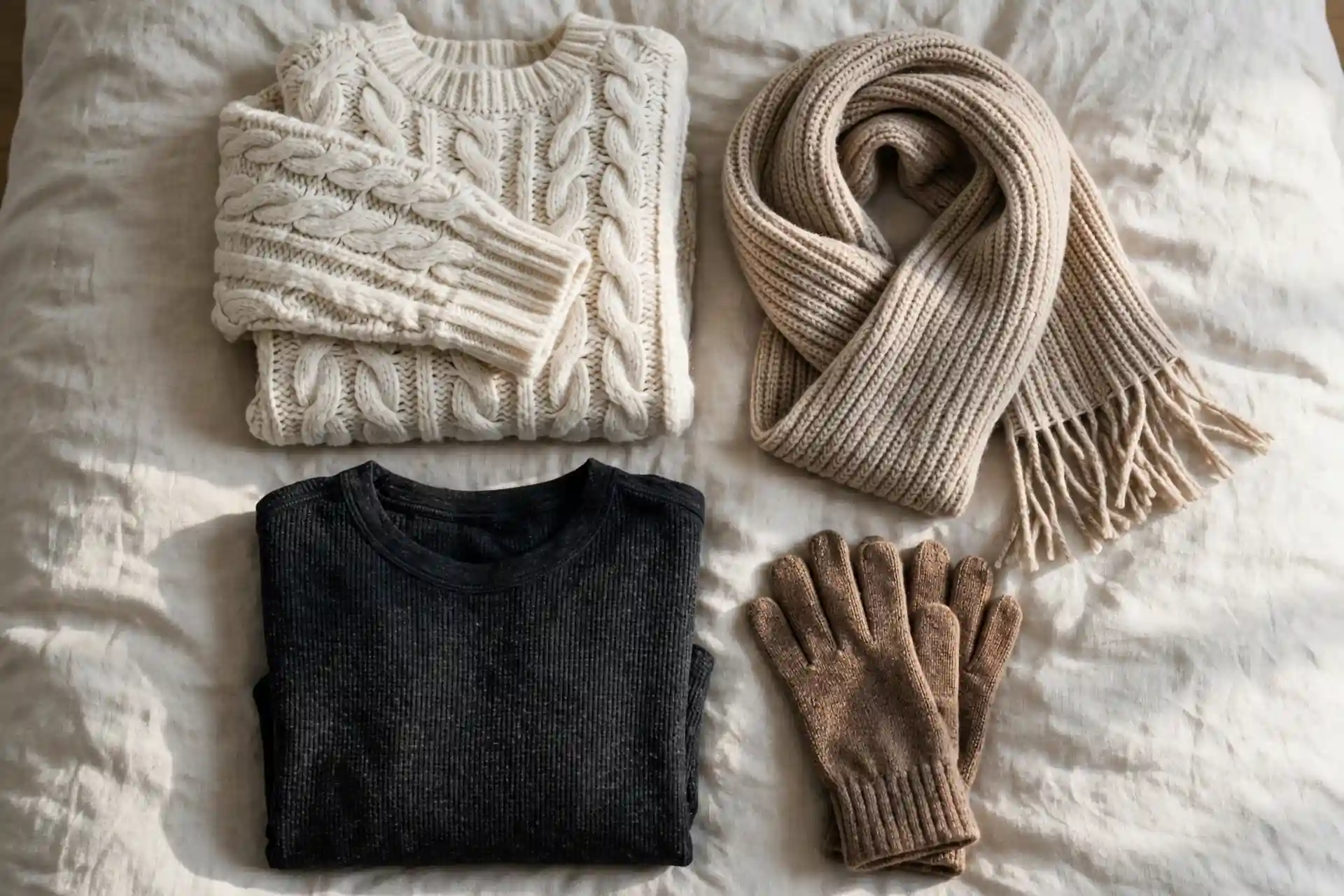
Two people in the same jacket on the same street can feel ten degrees apart. The difference hangs under the leather. What to wear under a leather jacket in winter starts with the layer against your skin. A wool or heavy cotton base holds heat and handles sweat. Cotton tee shirts alone go cold and damp fast. Save them for mild days. The middle layer does the heavy lifting. A thick wool sweater or a fleece adds trapped air depth. That depth turns a good jacket into a warm system.
The seals matter as much as the layers. A scarf closes the neck gap. Warm air pours out of that gap with every step you take. Gloves and a warm hat guard the parts the jacket never covers. Your hands and head stop leaking warmth, so your body keeps its heat budget for your core. Fit ties it all together. A winter leather jacket needs room for a real sweater inside it. The zip should close without pulling. Cold climate buyers often take one size of ease over their summer fit. Our full layering playbook, how to layer under a leather jacket, builds complete outfits layer by layer for men and women.
The build details that add real degrees
Warmth hides in small build choices. Knowing them turns shopping from guessing into checking. A longer cut covers the hips. That spot leaks more heat than any other on a jacket. Ribbed cuffs close the sleeve ends. Wind stops pumping up your arms with every swing. A stand collar or a shearling collar seals the neck without a scarf on milder days. Storm flaps over the front zip block the one straight line where air loves to sneak through. Thick hides in cow or goat hold their shape in hard weather. They carry padded linings without sagging.
Put the details together and the warmest builds name themselves. Shearling aviator styles sit at the top of the warmth table. Pilots wore them in open cockpits at altitude, in freezing air. Padded bomber builds follow close behind. Longer belted coats share that second rank. Our ranked guide to the warmest leather jacket styles for winter scores each style against real cold. The shearling jacket guide covers the warmest build of all, from hide grades to daily care. Read those two pages before you spend money on a cold climate jacket. You will shop like someone who already made the mistakes and learned from them.
Cold weather picks for men
The best winter leather jackets men reach for share a pattern. Cuts run a touch longer than fashion shapes. Linings run padded or shearling. Cuffs and collars close up tight. The bomber build earns its winter fame honestly. Flight crews wore it in freezing cockpits. The ribbed cuffs and hem lock warm air in. A roomy body swallows a thick sweater without a fight. Browse the current men’s leather bomber jackets to see the build across colors and hides. The wider men’s leather jackets range adds biker and coat styles. Winter shoppers should filter for lining first and looks second, every single time.
Cold weather picks for women
The best winter leather jackets women buy follow the same physics with a shaped cut. A longer belted coat style seals at the waist. That seal stops the draft pump that plagues short jackets on windy streets. Fitted biker styles work for winter too. The build needs a padded lining, and the fit needs honest room for knitwear under it. A cropped fashion jacket with a paper thin lining is a fall piece. Whatever the product name claims, the first cold morning tells the truth. Start the search in the women’s leather jackets collection. Apply the lining test from earlier in this guide. Warmth first, silhouette second. The silhouette usually takes care of itself once the build is right.

Wearing one all winter, day after day
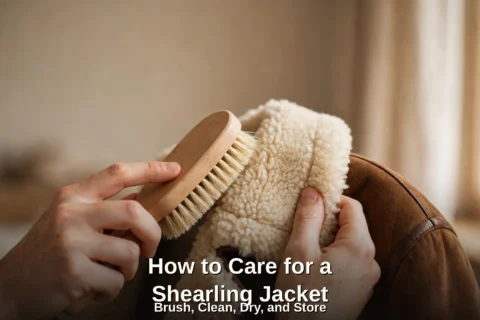
Daily wear raises a fair question. Can you wear a leather jacket every day in winter without wrecking it? Yes, with two small habits. Give the jacket a rest day between wears when you can. Leather likes a day on a wide hanger. It sheds moisture there and holds its shape. Brush snow off before you come inside. Dry the jacket at room temperature. Keep it far from radiators and heaters. Direct heat cooks the hide and cracks it over a season. Snow itself harms leather far less than road salt does. Wipe the lower panels clean after slushy street days.
Wet weather has its own rules. Heavy rain is a different fight from dry cold. Our post on wearing a leather jacket in the rain covers the full treatment, from drying steps to protective care. Condition the hide once across the winter too. Cold dry air pulls moisture out of leather. It pulls it out of your skin the same way. A conditioned jacket stays supple and seals better. It shrugs off the season. Daily winter wear is what these jackets were born for. Treat the hide with a little respect and it returns years of service.
The honest verdict
So, is a leather jacket enough for winter? For the great majority of people in the great majority of cities, yes. A leather jacket with a padded or shearling lining covers the full run of a normal winter. Wear it over a real sweater with the seals closed. The season runs from the first frost to the last grey week of February, and the jacket handles all of it. Failures happen at the edges. An unlined fashion cut in a northern January will fail you. A padded jacket at a standstill in a mountain blizzard will fail you too. Between those edges sits a wide warm country where leather rules. Most of us live there.
At Denver Jackets every design is built in our own production unit. The hides are sheep skin, cow, goat, and lamb. Grains run full grain, top grain, and corrected grain. Finishes run from matte and natural to pull up and vintage wash. Sizes run to 4XL, with custom made to measure on top. That fit range matters in winter more than in any other season. A winter jacket must fit over the layers that make it work. Pick the lining for your coldest month. Size for your thickest sweater. Let the hide handle the wind. That is the whole secret. It was never really a secret at all.
Winter warmth questions, answered straight
Are leather jackets warm enough for winter?
Yes, when the build is right. A quilted padded lining or a shearling lining handles the full range of a normal city winter. Wear it over a warm sweater. The unlined thin jacket is the exception. That build is a fall piece. It stops working once real cold and wind arrive together.
Do leather jackets keep you warm or just block wind?
Both jobs matter. Leather does the wind job itself. Blocking wind protects the layer of warm air your clothes trap. Most winter warmth on a street is won or lost right there. Your lining and layers supply the trapped air. Leather keeps the weather from stealing it.
Is a leather jacket or a wool coat warmer?
In wind, the lined leather jacket wins. Wool weave lets moving air through, and leather shuts it out. In calm air, a heavy wool coat matches or beats a lightly lined leather jacket. Wet snow favors leather too. It sheds moisture off its surface while wool soaks it up and grows heavy. Mixed city weather favors leather on most days.
What should I wear under a leather jacket in winter?
Build three layers. Start with a wool or heavy cotton base. Add a thick wool sweater or fleece as the heat holder. Seal the gaps with a scarf, gloves, and a warm hat. Leave room in the fit for the sweater. A jacket zipped tight over thin clothes loses to honest layering room every time.
Is genuine leather warmer than faux leather?
The wind blocking runs close. Real leather wins the full day test. Fake leather turns stiff in hard cold and cracks with time. Its plastic surface traps sweat, and that sweat chills you when you stop moving. Real hide stays supple. It manages moisture better and keeps its warmth season after season.
Can I wear a leather jacket every day in winter?
Yes. Rest it a day between wears when you can. Brush off snow before it melts in. Dry it at room temperature, away from heaters. Wipe road salt off the lower panels. Condition the hide once during the season. Daily wear is normal duty for a leather jacket, not abuse.
What lining makes a leather jacket warm?
Shearling ranks first. The wool traps a thick layer of air, and it breathes as it works. Quilted padded lining ranks second. It covers most city winters with ease. A plain thin fabric lining adds no real insulation at all. Check the inside of any jacket before you trust it with January.
At what temperature is a leather jacket not warm enough?
An unlined jacket fades near 45 to 50 degrees Fahrenheit once wind picks up. A padded lining holds to about 25 to 30 degrees. Shearling keeps most people warm to roughly 10 to 15 degrees. Colder than that, with wind on top, calls for extreme cold gear built past jacket weight.