Warmest Leather Jacket for Winter: Builds, Linings, and Layers That Beat the Cold
Warmest Leather Jacket for Winter: Builds, Linings, and Layers That Beat the Cold
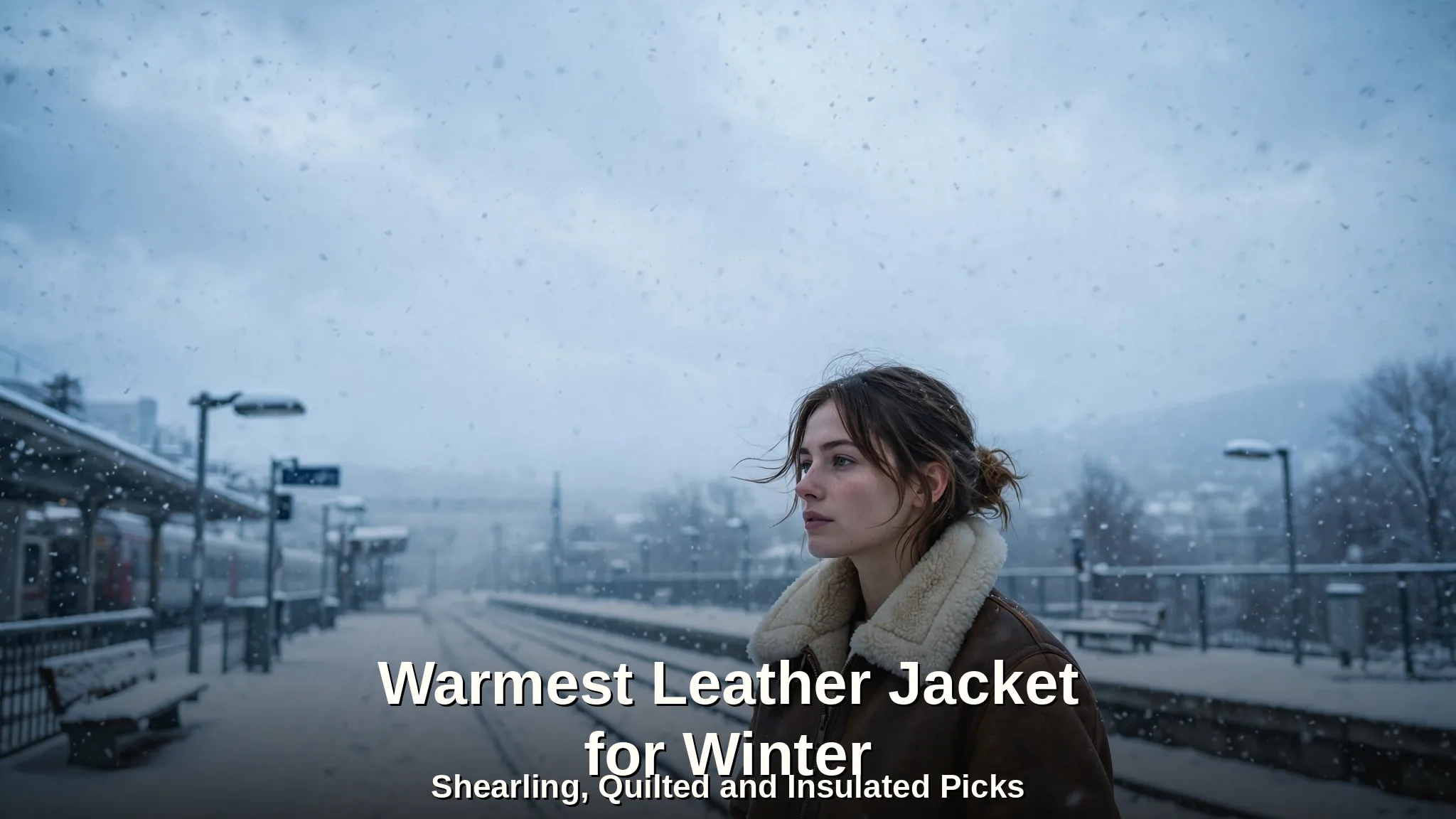
Stand on a platform in January. The wind comes straight down the tracks. You learn fast what your jacket is worth. The warmest leather jacket for winter is not a look. It is a build. Hide, lining, collar, cuffs, and cut all work as one system. The weak part of that system decides how long you last outside. This guide ranks the warmest leather jackets for cold weather build by build. Shearling sits at the top of the ladder. Quilted and thermal lined workhorses come below it. You also get the layering and fit calls. Those calls turn a warm jacket into the warmest one you own.
The short answer. The warmest leather jacket for winter is a shearling lined jacket. Choose a long cut or a bomber cut. The build uses thick cowhide or sheepskin with the wool left on. Shearling traps still air inside curled wool fibers. The leather seals that air against the wind. The pair beats any stitched lining of the same weight. Below shearling, a quilted or thermal lined jacket in heavy cowhide takes second place. It wins back ground on price, weight, and easy care.
That short answer settles the top pick. The rest of this guide earns it. Warmth in leather comes from parts you can check by hand. Check them before you spend a dollar. The sections below walk through each one. First, the lining ladder. Next, the B-3 pattern that set the standard. Then the biker, parka, and trench builds. After that, the leather versus down question. Last, the temperature bands each build handles, with the right layers under it. Want the plain science of leather warmth first? Start with our guide to whether leather jackets are warm enough for winter. Then come back here for the heavy gear. The full seasonal picture sits in our leather jackets by season hub.
What makes one leather jacket warmer than the next
Ask what features make a leather jacket warm and five answers come back every time. Lining. Hide weight. Closure. Coverage. Fit room. Miss one and the other four carry a leak. A thick hide with a thin cotton lining feels cold at the first bus stop. A rich lining in a cropped cut leaves your lower back open to every gust. Warmth is a chain. This section walks each link in turn. Check them in this order on the rail.
The lining does most of the work. It gets its own section below. Hide weight comes next. Thick cowhide blocks wind better than thin lambskin. It shrugs off the brush of a cold crowd, a car door, a frozen railing. Closure is where cheap builds give the game away. A storm flap covers the main zip. Cuffs close down on the wrist. A hem seals at the hip. Those three stop the pumping of cold air each time you move. Coverage is simple math. Every extra inch of length guards more of you. That is why the best insulated leather jackets for hard weather run long. Or they carry a high collar that closes at the throat. Fit room finishes the chain. Your winter jacket needs space for a sweater under it. A tight cut presses those layers flat and kills their trapped air.
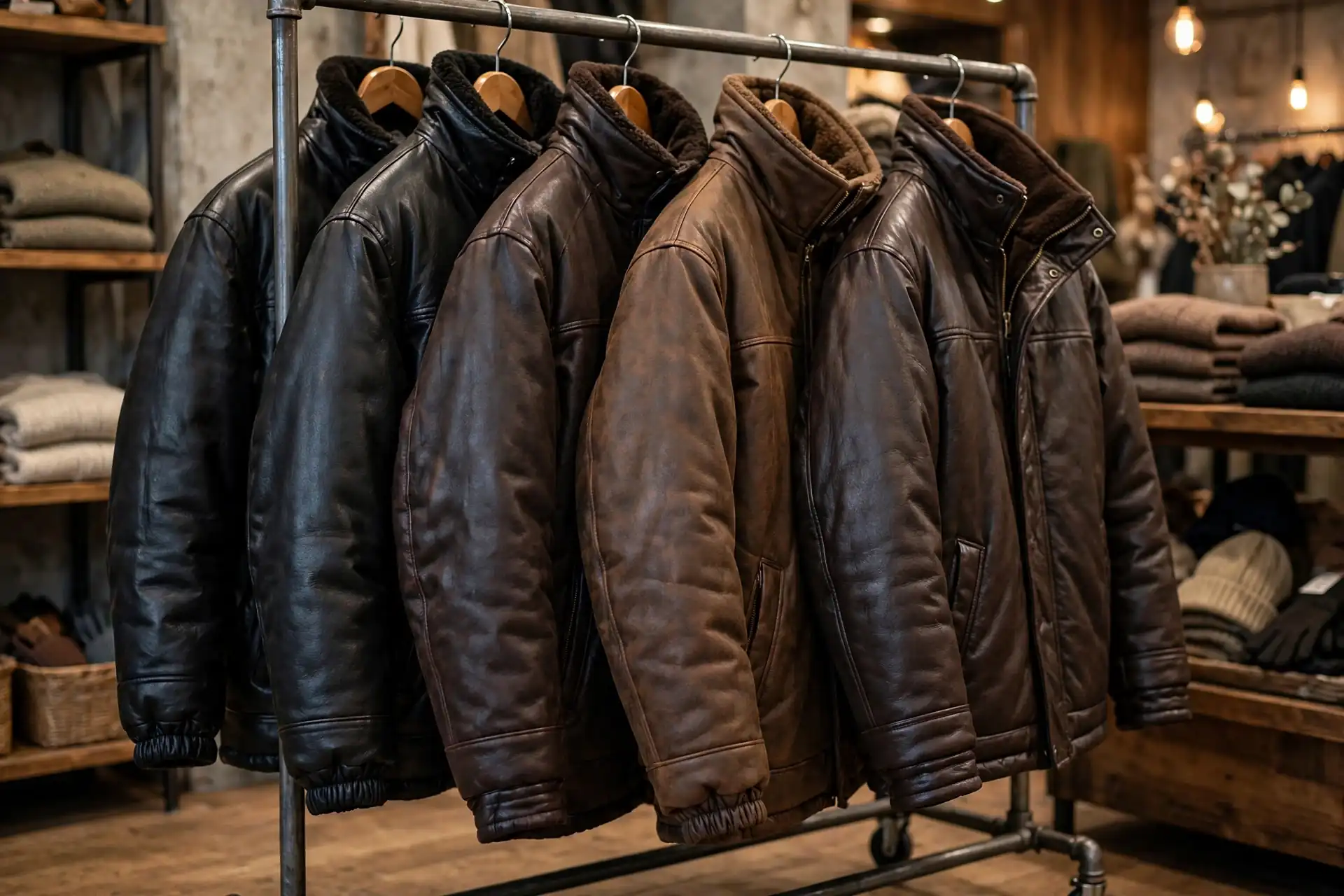
One more check separates a warm jacket from a cold one in a warm costume. Lift it. Real insulation has weight. A jacket that feels like a shirt on the hanger feels the same in a storm. Then work the zip with gloves on. Winter gear that fights you at the door gets left at home. The warmest jacket in the world warms nobody from a hook in the hall.
The lining ladder, from shearling down to thermal
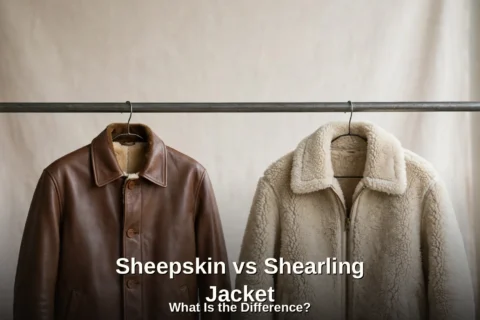
Linings rank in a clear order. Knowing the order stops you paying shearling money for a padded cotton build. At the top sits shearling, wool grown on the hide itself. Below it sits a fur lined leather jacket build. A separate fur or wool layer is set into a leather shell. Then comes quilting, a stitched sandwich of padding and cloth. Thermal lining comes next, a single engineered layer. Plain satin or cotton sits at the bottom. It is fine for fall, and out of its depth in January. Our full breakdown of leather jacket lining types covers every material on the ladder. It also covers what each one costs you in weight and care.
Shearling, the top rung
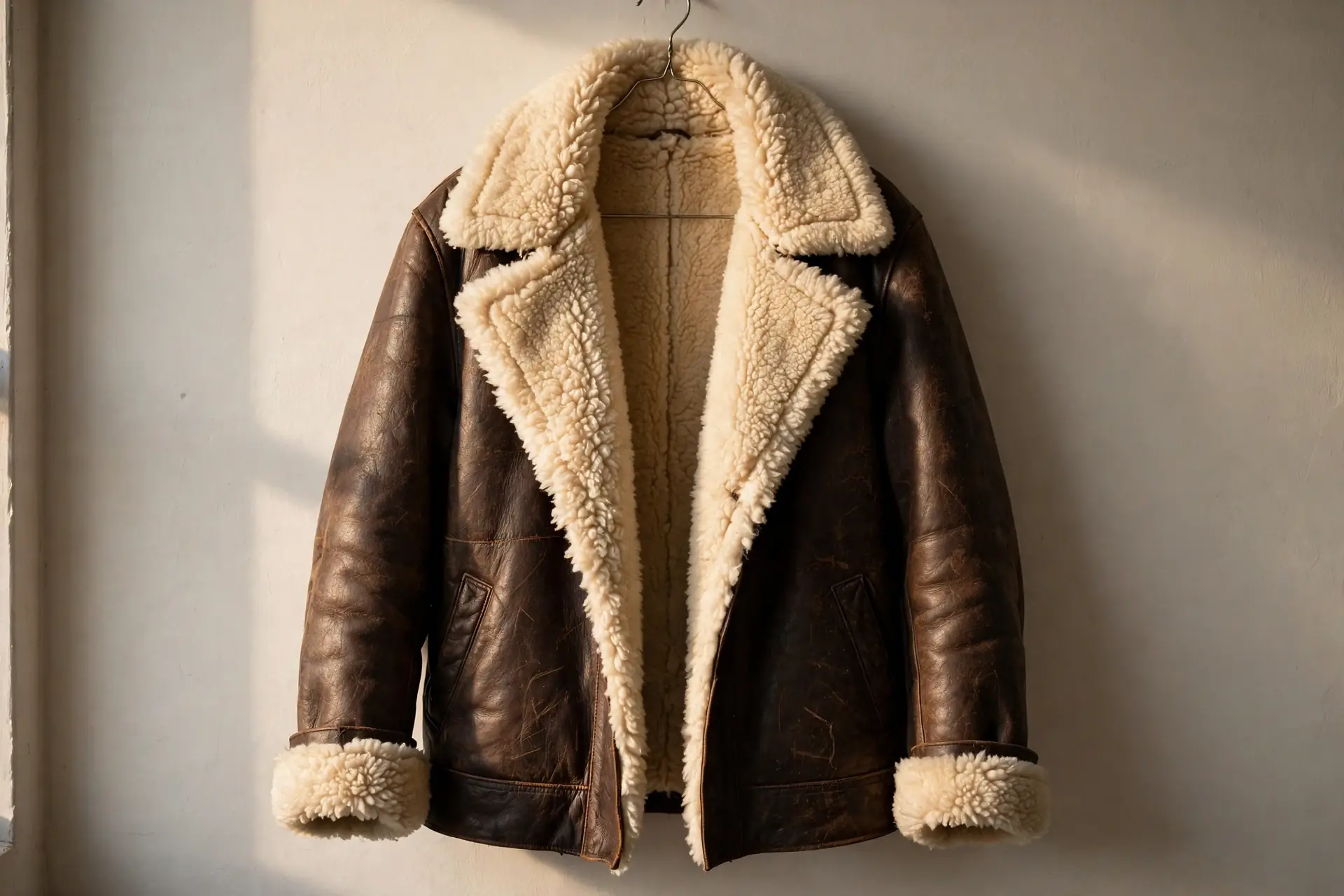
A shearling lined leather jacket carries its insulation as part of the garment itself. The wool stays on the sheepskin, sheared to an even depth. It faces inward, and the leather side faces the weather. Curled wool fibers hold thousands of tiny air pockets against your body. Still air is the real insulator in every warm coat ever made. The leather shell then does the second job. It seals those pockets against the wind that would strip the heat away. Nothing is stitched in to shift, bunch, or wear thin at the elbows.
Shearling also handles damp cold with a grace that stitched padding lacks. Wool keeps insulating while it holds moisture. It breathes as you move between a heated train and a frozen street. You sweat less, and you chill less on the far side. The trade is weight and care. A full shearling build is the heaviest jacket on this page. It asks for gentle storage through summer. Our dedicated shearling leather jacket guide walks through grades, weights, and care in full.
Quilted and thermal linings, the smart middle
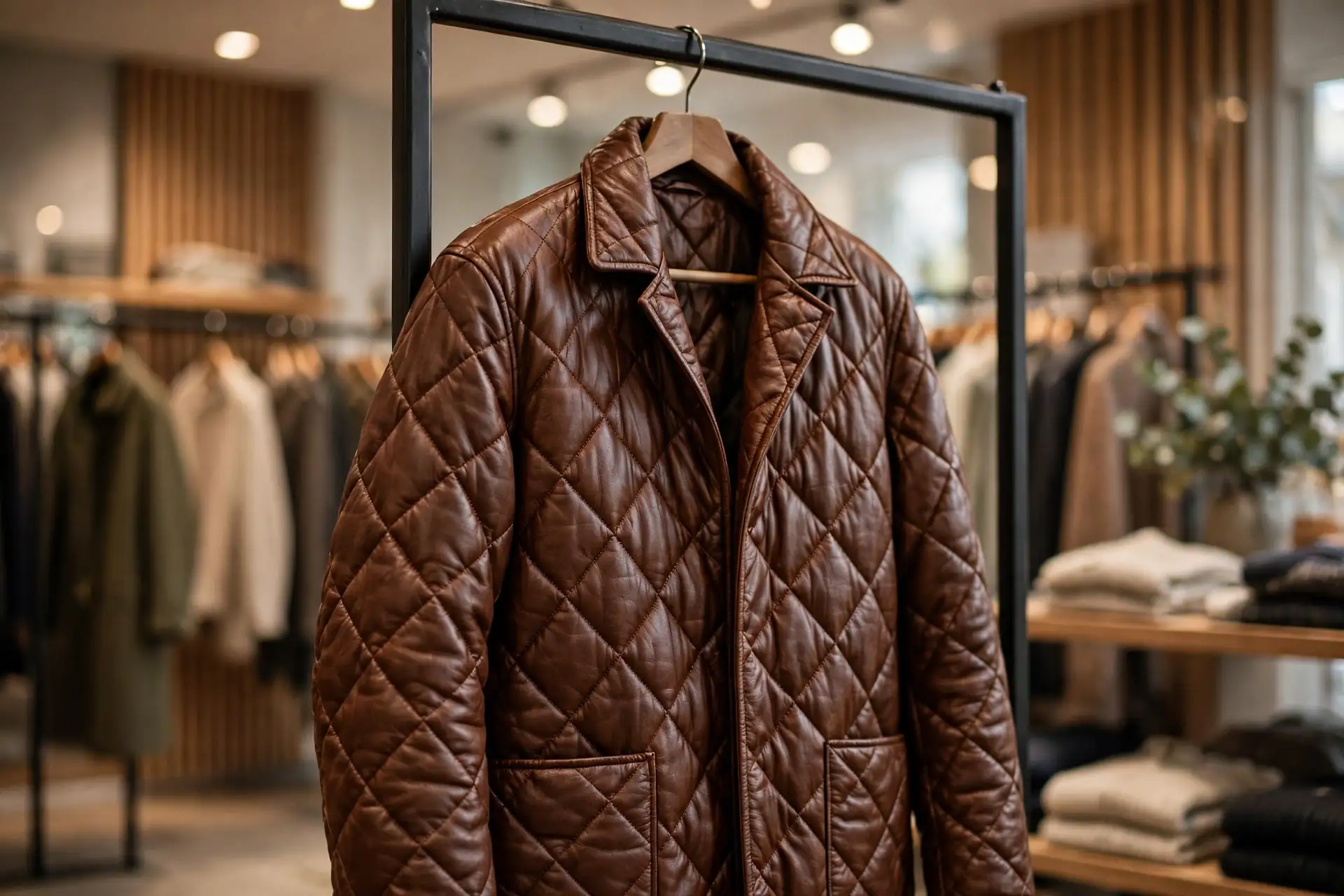
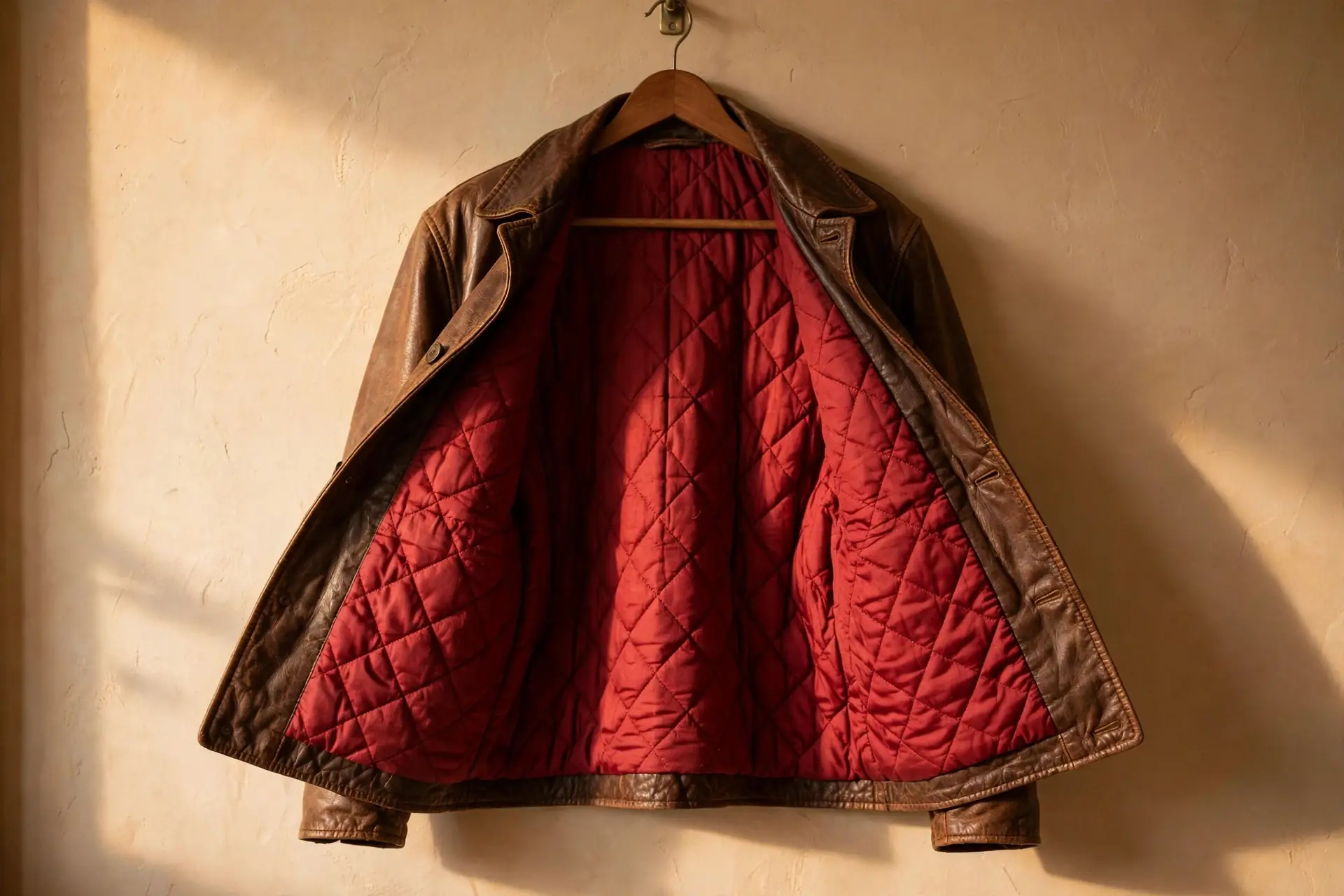
A quilted leather jacket winter build stitches padding between the leather and an inner cloth. Diamond or channel patterns keep the fill spread even. Good quilting warms far past its weight and packs down well in a car or a locker. It costs a clear step less than shearling. A leather jacket with thermal lining uses a thinner engineered layer. The layer often has a foil face or a dense knit face. It holds body heat with almost no bulk at all. Thermal builds suit the commuter who moves between office, train, and street. The warmth still looks like a normal jacket indoors.
The honest ranking goes like this. Shearling wins on raw warmth. Quilting wins on warmth per weight and per coin. Thermal wins on slim fit and layering room. All three beat a plain lining by a wide margin. The gap shows once the thermometer drops under forty degrees. All three appear in strong winter builds across the mens leather jackets and womens leather jackets ranges. The lining is a build choice, not a gender one.
The B-3, the pattern that set the warmth standard
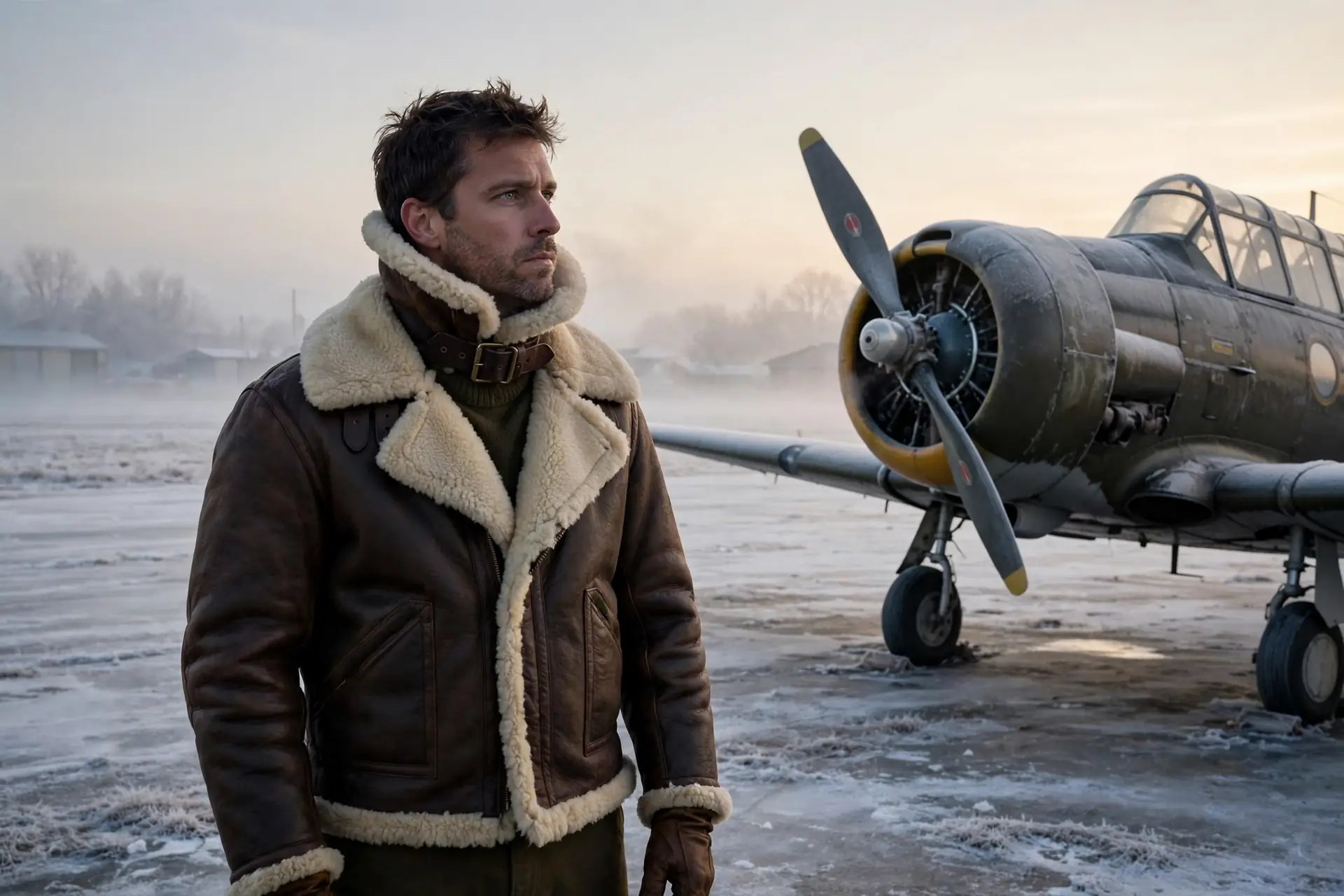
Every warm leather jacket since the nineteen thirties gets measured against one coat. The B-3 was built for bomber crews flying at altitude in open gun positions. The air ran far below zero. A warm jacket was survival gear, not style. Judged on B-3 shearling jacket warmth alone, the pattern still sits at the top of leather. It holds that spot nearly a century later. The recipe explains why. Sheepskin with thick wool inside. A wide collar that buckles shut at the throat. Straps that seal the cuffs and waist. A cut roomy enough for flight clothing under it.
Modern B-3 builds keep that recipe. The finishing is cleaner now. The collar matters more than any single detail. Worn open, it frames the face. Buckled up, it closes the chimney at your neck. Body heat escapes fastest at the neck. The buckled collar turns a strong jacket into the warmest thing in the room. Shoppers weighing the best leather jacket for winter men find the B-3 shape in the mens leather bomber jackets range. That is where the aviator cut lives. Pick it if your winters run long and your commute runs exposed. Riders pick it too. Skip it when your cold season is short and mild. A B-3 in a forty five degree drizzle is a sauna with sleeves.
Weight is the one honest cost. A thick wool B-3 asks your shoulders to carry it. After a full day of errands, you will feel the bargain you made. Crews accepted that trade. The cold at altitude left no choice. Ground level cold rarely argues as hard. That is why the next builds exist.
The insulated biker, warmth for the daily grind
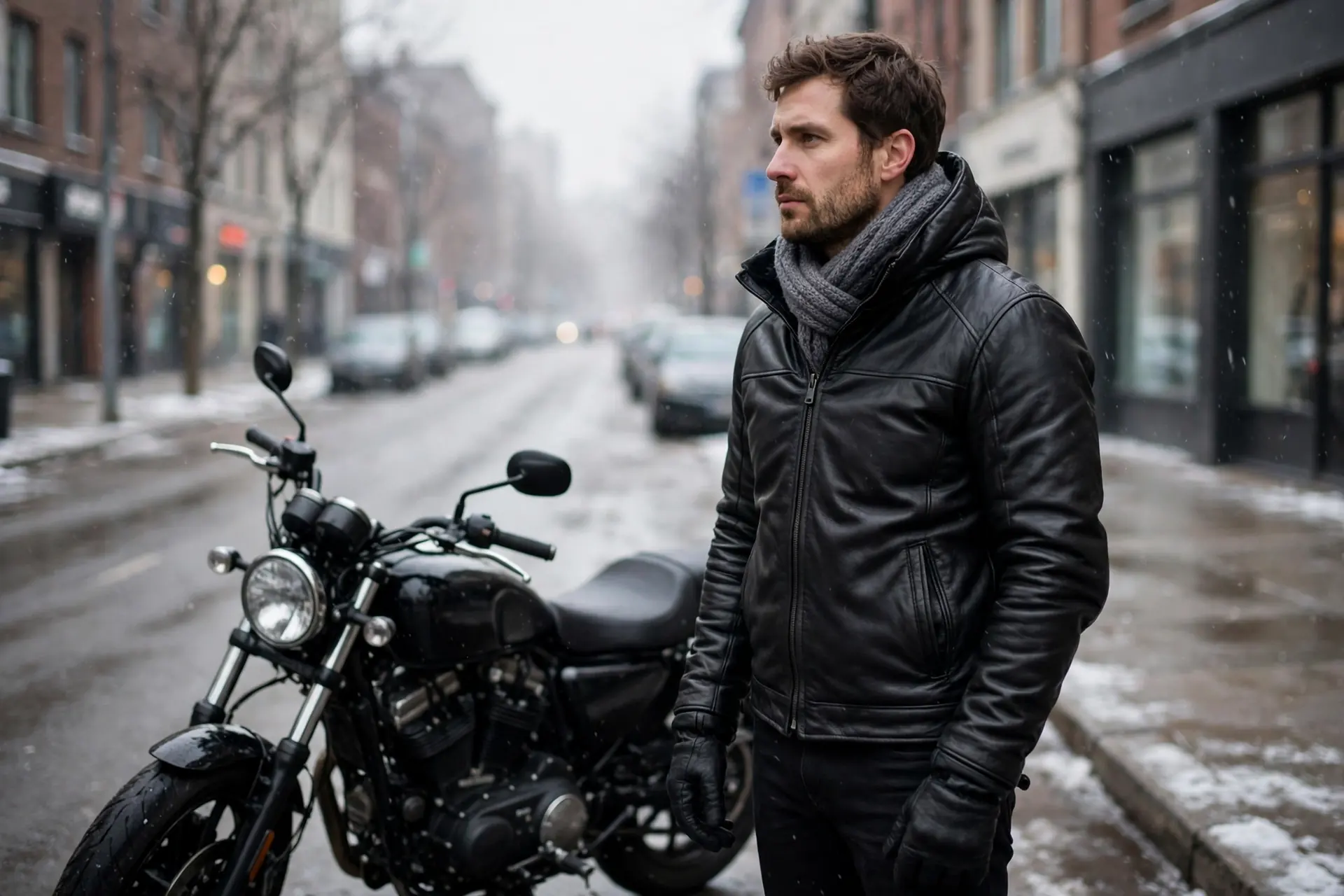
Not every winter day needs altitude gear. The insulated leather biker jacket takes the classic biker shell. Think thick cowhide, an offset zip, and a storm flap. Quilting or thermal fill lines the shell. The result keeps the biker shape and stance. It closes the cut’s one historic weakness. Old bikers wore a thin fashion lining. That lining made them a fall only garment. Upgrade the lining, and the cut turns into a real tool for city winter. Short enough for driving and riding. Sealed enough for a windy walk. Tough enough to take daily knocks for a decade.
Fit decides how warm your biker runs. Snug is the fashion call. A winter biker should close over a mid weight sweater without the zip straining. The offset zip earns its keep here. Doubled leather over your chest acts as an extra layer. It sits right where wind strikes a rider or a walker head on. Women run the same build with shaped panels and the same lining choices. The womens biker leather jackets carry the cut. Riders add one more check. The collar snap and lapel fold must sit flat at speed. If they lift, the flap becomes a sail. That sail pumps cold air down your chest.
Long coats, parkas, and the case for coverage
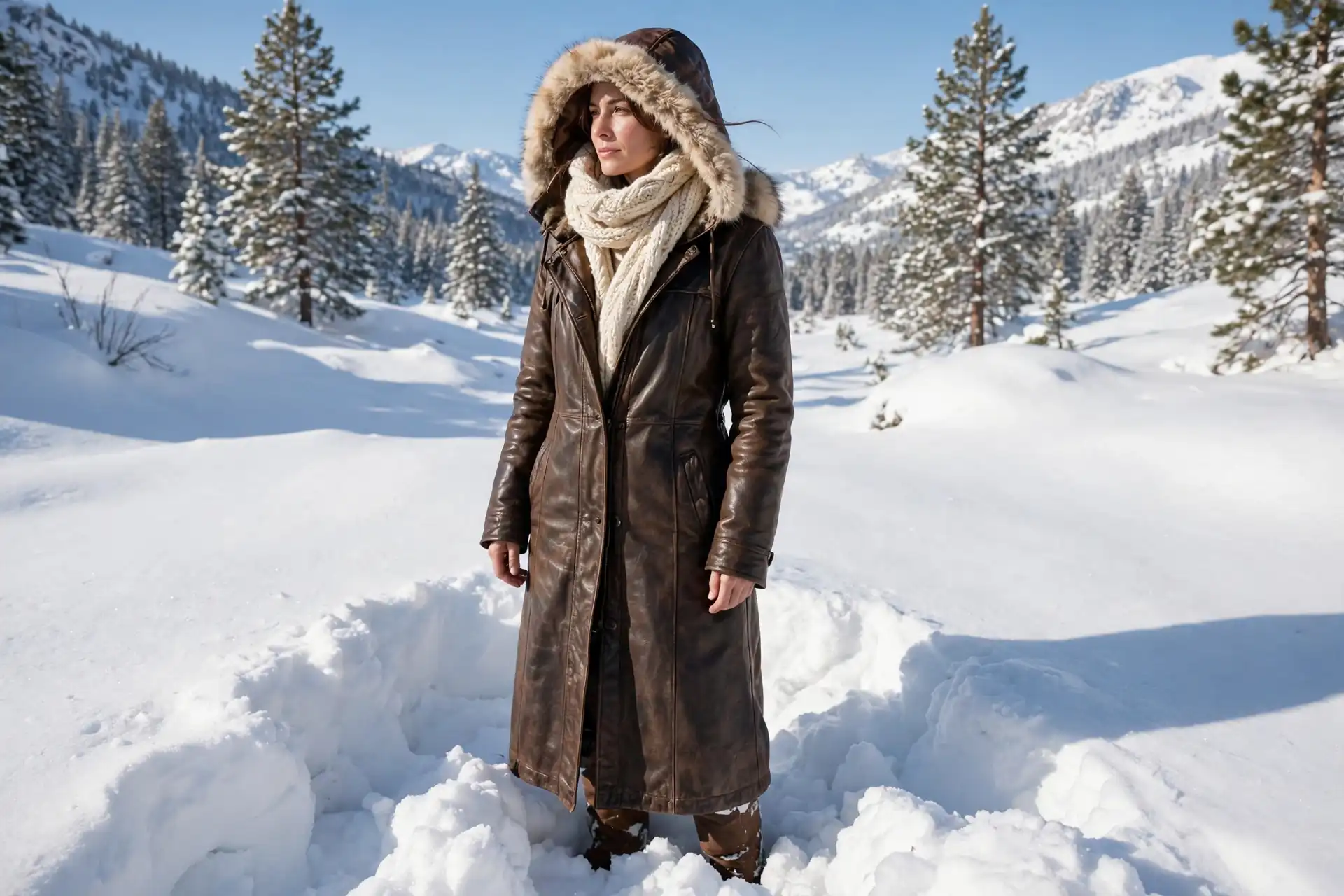
Length is the quiet superpower of winter leather. A leather parka with hood guards your thighs. You can sit on a frozen bench without a shock. It closes the gap where a short jacket hands the cold to your jeans. The hood changes hard weather math. Up, it cuts the wind chill on your ears and neck by a wide margin. It also keeps falling snow off your collar. Down, it lies flat. It adds a layer across the shoulders. A hooded leather jacket for winter in a shorter cut borrows the same trick. It suits people who find parka length heavy.
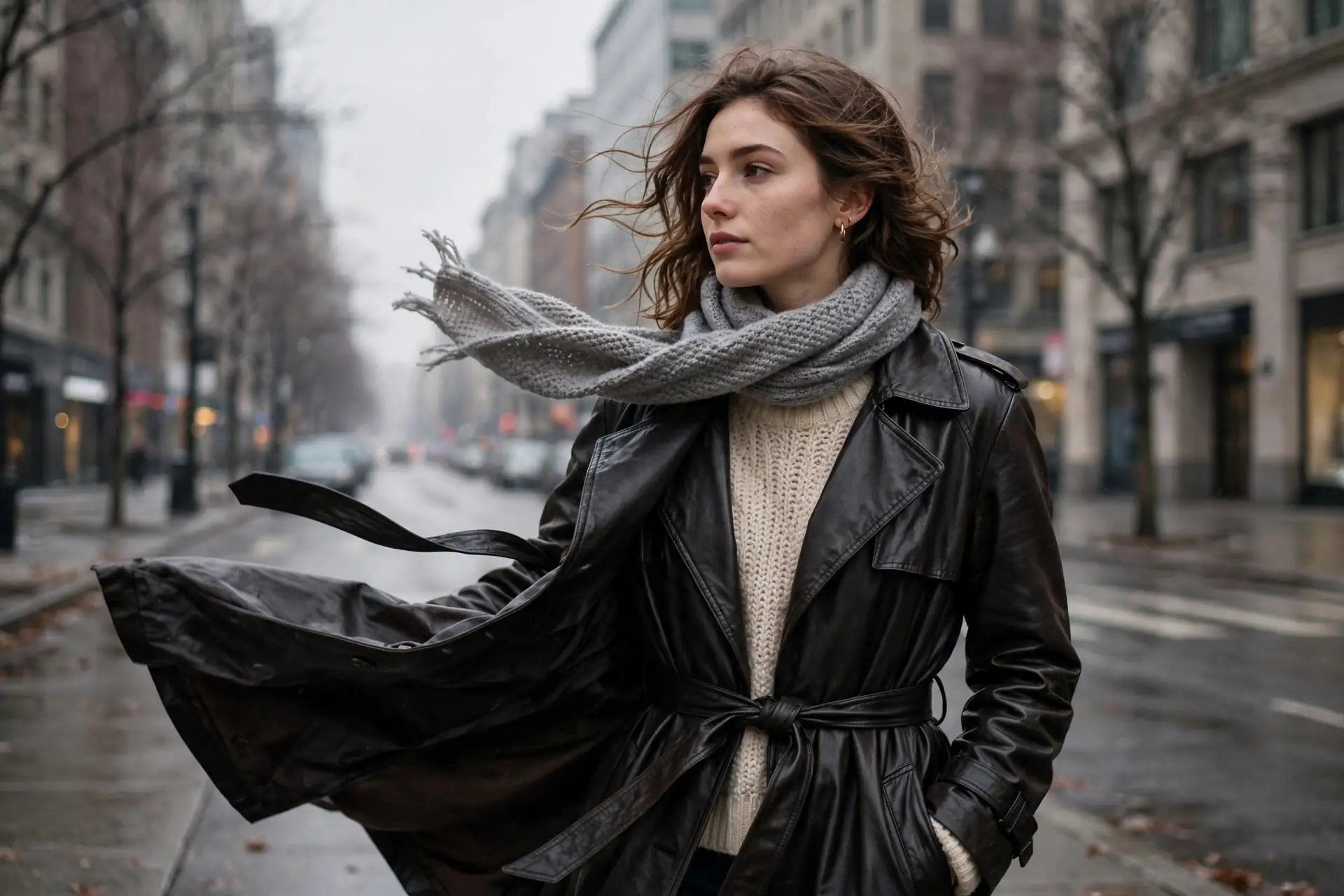
The leather trench coat for winter plays a different game. It skips the hood and wins on layering room and coverage in one move. A lined trench over a sweater and a scarf handles a wet, windy thirty five degree day in a city. A short jacket on a dry calm day does less. The coat manages the whole body instead of the top half. Women weighing the best leather jacket for winter women often land here or on the long shearling. The long cuts sit inside the womens leather bomber jackets and coat ranges. The rule behind all three builds is the same. Cold attacks the edges. Neck. Wrists. Waist. The tops of your legs. Coverage seals the edges.
Leather versus down, settled honestly
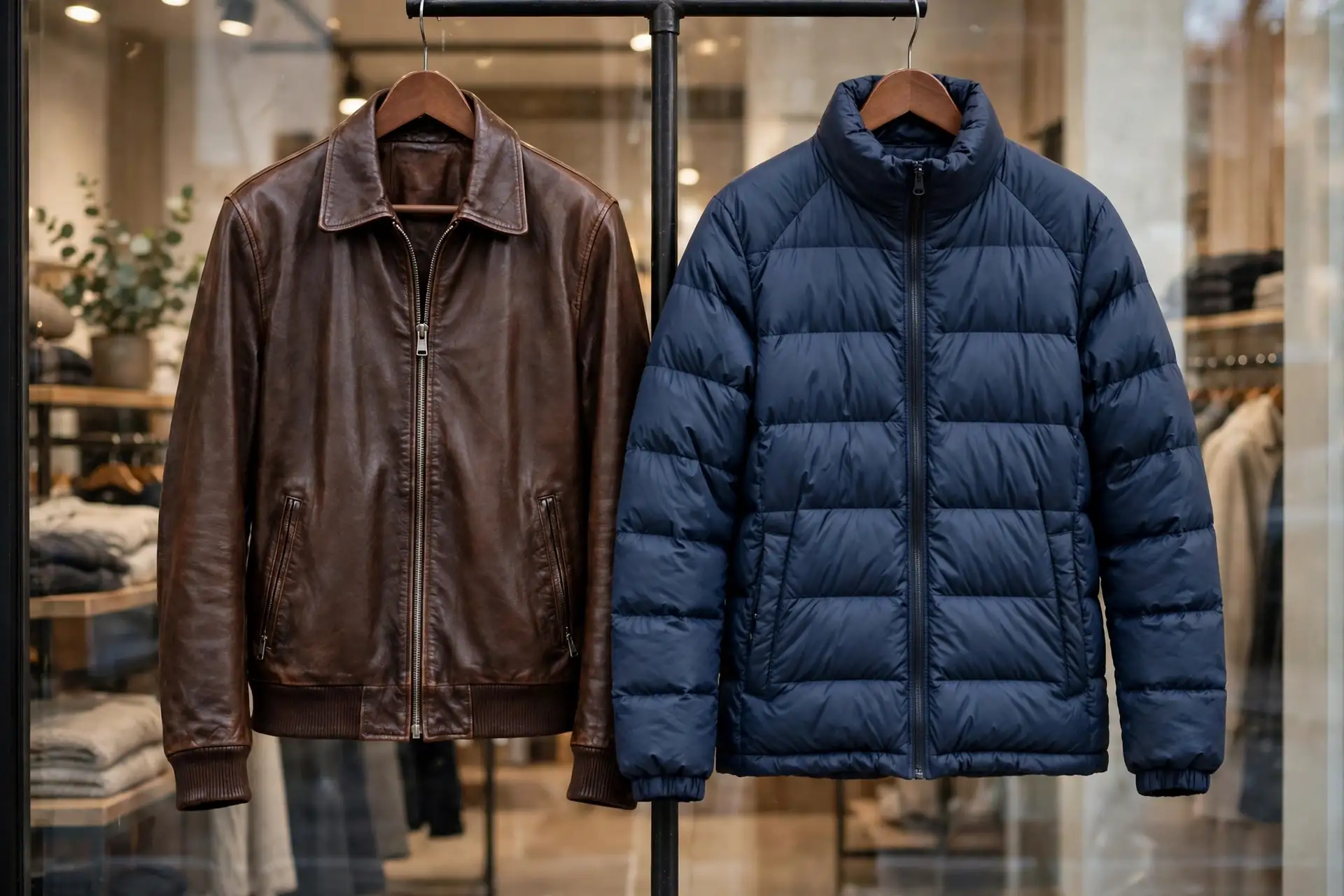
The warmest winter jacket leather vs down argument fills comment threads every fall. The honest answer splits by condition. A high fill down parka wins on warmth per weight in dry, still, deep cold. Down wins nothing once the day turns wet or the wind picks up. Damp down clumps and loses its loft. Thin shell cloth leaks wind at every gust. Leather holds its shape wet or dry. It seals wind at the surface. Sparks and scrapes glance off it. So does the seat belt wear that shreds a light shell in a season.
Durability settles the long game. A down jacket is a consumable with a strong first two winters. A leather winter build is a decade garment. It gains character while its insulation stays put. Shearling wool and stitched quilting do not migrate or thin the way loose fill does. Choose down for a dry mountain trip where pack weight rules. For the five day a week winter, choose leather. That winter means commuting, riding, working, and living. The weather changes its mind by lunch.
What each build handles, temperature by temperature
Numbers help more than adjectives. Here is the working map our customers use. It assumes a healthy adult in motion, with a base layer under the jacket. A plain lined fashion leather handles the forties and fifties. Thermal lined builds handle the thirties and low forties. With a sweater, they handle the twenties. A quilted build handles the twenties and low thirties on its own. Layered, it handles the teens. Shearling handles the teens and twenties standing still. In motion with layers, it handles single digits. A B-3 or long shearling build, layered well, stays honest below zero. That covers errands, stands, and rides of an hour.
Still air and wind rewrite those bands fast. Wind strips heat through any gap. A sealed quilted jacket in wind beats a loose shearling with an open collar. Motion matters too. Walking briskly adds the feel of ten degrees. Standing at a bus stop subtracts it. Read the bands as a system again. Build. Seal. Layers. And the weather of the day you actually face.
Layering, the warmth you wear under the jacket
A warm jacket over a thin tee is a strong wall with the gate open. Three thin layers beat one thick one. Each gap between layers holds still air of its own. Start with a base that manages sweat. Damp skin chills fast the moment you stop moving. Add a knit or fleece middle sized to your jacket room. Finish with the jacket. Zip it. Set the collar. Close the cuffs. A scarf is not decoration in this system. It seals the neck chimney that the best collar leaves open. Gloves close the wrist gap that sealed cuffs leave when you reach and bend.
Sizing makes or breaks the system. A jacket bought skin tight in September has no room for the January layers. Crushed layers lose their air and their warmth. This is where build choice meets the fitting room. Denver Jackets cuts winter styles across sizes up to 4XL. A custom made to measure option is also there. Size for the layers you will truly wear. Then let the cut do the shaping. Tell the truth about your sweater habit when you order. The jacket that arrives will close over it without a fight.
Where leather stops, and what to do about it
Honesty is part of warmth advice. Past a point, a leather jacket stops being the right tool. That point is wind, wet, and still standing cold. It is the range skiers and ice fishers live in. A technical expedition parka takes over there. That point sits lower than most people guess, though. With shearling, layers, and sealed edges, leather stays in the fight. It holds through weather that empties most city streets. Our guide to the leather jacket for extreme cold covers that far end in full. Builds. Layering stacks. And the care that hard cold demands from the hide.
Winter warmth questions, answered straight
What is the warmest leather jacket for winter?
A shearling lined jacket in a bomber or long cut. The base is sheepskin with the wool left on. Thick cowhide with a full shearling lining also works. Wool traps still air, and the leather seals it against wind. Closed collar and cuffs stop the leaks. A B-3 pattern build is the classic form of the answer.
Is a shearling jacket the warmest leather jacket?
Yes. Shearling tops the lining ladder. The insulation grows on the hide itself. It never shifts, bunches, or thins at stress points. Wool also keeps working while damp. It breathes as you move between heated rooms and cold streets. No stitched lining of equal weight matches it.
What is warmer, a quilted or shearling lined leather jacket?
Shearling, by a clear step. Quilting is the smarter buy for many people. It gives strong warmth at lower weight and lower cost, and it layers and packs better. On raw warmth alone, in hard cold, shearling wins every time.
What features should I look for in a warm winter leather jacket?
Check five things in order. A real insulating lining: shearling, quilting, or thermal. A thick hide. Cowhide is the wind blocking standard. A sealed closure. Storm flap, closing collar, and cuffs that shut down. Coverage: length or a high collar. And fit room for a sweater. Miss one and the rest carry a leak.
Is a B-3 jacket the warmest leather jacket?
The B-3 sits at the top table with the long shearling builds. Thick wool. A buckled collar. Sealing straps. Those parts were designed for below zero air at altitude. The pattern still delivers that standard. A long shearling coat edges it for a person standing still. Length guards more of the body.
Are hooded leather jackets warmer?
Yes. In wind and falling snow, the gain is real. A hood seals the head and neck. Heat loss and wind chill hit hardest there. The hood also keeps snow out of your collar. In calm, dry cold the gain shrinks. A good scarf closes most of the same gap.
Leather vs down jacket, which is warmer?
Down wins on warmth per weight in dry, still, deep cold. Leather wins in wind and in damp weather. It also wins across years of daily use. Leather seals gusts at the surface. Its insulation never clumps or migrates. Most real winters mix all of those. That is why leather carries the season for daily wear.
Which leather jacket is best for extreme cold?
A B-3 or long shearling build over a full layering stack. Seal it at neck, wrist, and waist. That system stays honest below zero for active hours outside. For still, exposed, expedition grade cold, leather hands over to technical parkas. Our extreme cold guide marks exactly where that line falls.
The last word before the cold arrives
Pick your winter leather the way crews picked flight gear: by build, not by looks alone. Start at the lining, check the hide, seal the edges, leave room for layers, and let the style you love ride on top of a system that works. Do that, and the jacket you zip in November will still be earning its place in February, on the platform, in the wind, with the train running late.